5 Warning Signs Your Vehicle’s Suspension System Is Failing on Worcester Roads
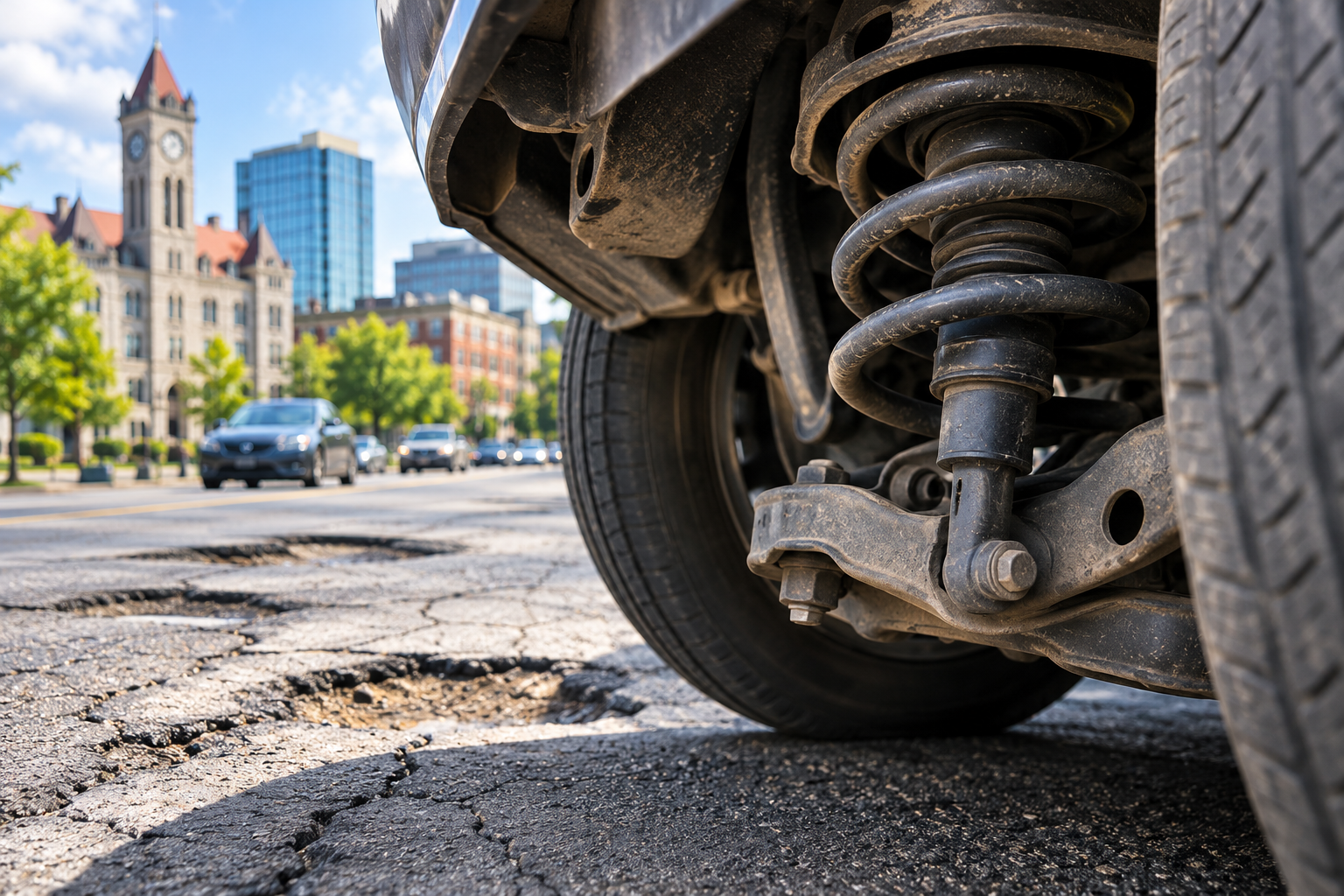
There’s nothing quite like the jolt of hitting an unexpected pothole while driving through Worcester. One moment, you’re navigating Park Avenue or heading home from work, and the next, you’re wondering whether that sharp impact damaged something underneath your vehicle. While an occasional bump might not seem like a big deal, Worcester’s rough pavement, winter weather, and changing road conditions can take a toll on your car’s suspension system. Unfortunately, the resulting problems aren’t always obvious until your vehicle starts handling differently.
Your suspension system helps keep your tires in contact with the road, supports vehicle weight, and controls movement over bumps and uneven pavement. When components such as shocks, struts, control arms, ball joints, or bushings begin wearing out, you may notice excessive bouncing, unusual noises, steering changes, or uneven tire wear. Recognizing these symptoms early can help prevent additional damage and maintain safer vehicle handling.
Here are five warning signs Worcester County drivers shouldn’t ignore:
- Excessive bouncing: Your vehicle continues moving up and down after driving over bumps or potholes.
- Uneven tire wear: Certain sections of your tires wear faster than others, potentially indicating suspension or alignment problems.
- Clunking or knocking noises: Unusual sounds appear when turning, braking, or traveling over uneven roads.
- Pulling or unstable steering: Your vehicle drifts, wanders, or feels less predictable during normal driving.
- Nose-diving or excessive body movement: The front end dips noticeably during braking, or the vehicle leans excessively through turns.
At Early’s on Park Ave., Inc., we’ve been helping Worcester drivers maintain and repair their vehicles for more than 50 years. As a family-owned and -operated business, we understand the wear that New England roads can place on cars, trucks, and SUVs. Our auto repair services, professional diagnostics, preventative maintenance, and 24/7 towing help local drivers address automotive concerns before they become more serious.
Why Are Worcester Roads So Tough on Vehicle Suspension Systems?
Worcester roads can be hard on suspension systems because winter freezing, thawing, snow removal, and deteriorating pavement create potholes and uneven driving surfaces. Repeated impacts place additional stress on tires, wheels, shocks, struts, and other suspension components, particularly when drivers encounter deep potholes at higher speeds.
How Freeze-Thaw Cycles Create Potholes
Massachusetts winters frequently bring alternating periods of freezing temperatures and warmer weather. When water enters cracks in pavement and freezes, it expands, contributing to deterioration of the road surface.
As temperatures rise and the ice melts, traffic can further weaken the affected pavement. Over time, these conditions contribute to potholes that expose vehicles to abrupt impacts.
According to AAA Northeast, potholes can damage tires, wheels, suspension components, and steering systems. Drivers throughout Central Massachusetts may notice these hazards most frequently during late winter and early spring.
Why Local Driving Conditions Matter
Whether you’re commuting along Route 9, navigating Park Avenue, or traveling through Main South, Worcester’s changing road conditions can make avoiding every rough patch difficult.
Drivers traveling between Worcester, Leicester, Auburn, and Shrewsbury also encounter different road surfaces, construction areas, and seasonal hazards. Over time, repeated impacts may contribute to premature suspension wear.
The good news is that recognizing changes in how your vehicle handles can help you determine when professional inspection is necessary.
Warning Sign #1: Your Vehicle Bounces Excessively After Hitting Bumps
Excessive bouncing is a common warning sign of worn shocks or struts because these components help control suspension movement after the vehicle travels over uneven surfaces. When damping performance deteriorates, the body may continue moving after a bump instead of settling promptly.
What Normal Suspension Movement Feels Like
Your suspension is designed to absorb road irregularities while helping the tires maintain appropriate contact with the pavement. Some movement is normal, particularly when traveling over rough surfaces.
However, the vehicle should generally settle after the wheels pass over a bump. If it continues rocking or bouncing noticeably, the damping components may need attention.
For example, a Worcester commuter might notice that the car keeps bouncing after crossing uneven pavement near an intersection. That behavior may indicate worn shocks or struts, although tire or other suspension problems can produce similar symptoms.
Why Worn Shocks and Struts Matter
Shocks and struts help manage how the vehicle responds to bumps, braking, and changes in direction. When they lose effectiveness, handling may become less controlled, especially on uneven roads.
This can affect driving comfort and the ability of the tires to maintain consistent contact with the pavement. The severity depends on the condition of the components and the vehicle’s overall suspension design.
If you notice persistent bouncing, schedule a professional inspection rather than assuming the ride quality has simply changed with age.
Warning Sign #2: Your Tires Are Wearing Unevenly
Uneven tire wear can indicate suspension problems when worn components allow changes in wheel positioning or contribute to irregular tire contact with the road. However, tire wear can also result from incorrect inflation, alignment problems, driving conditions, or neglected rotations.
Common Tire Wear Patterns
Some suspension-related concerns may produce unusual wear across the tire tread. You might notice one edge wearing faster than the other, or a scalloped pattern sometimes described as cupping.
Cupping can occur when tires experience irregular movement or inconsistent contact with the pavement. Worn shocks or struts may contribute, but tire balance and other mechanical conditions can also play a role.
For families traveling between Worcester and Leicester, checking tire condition regularly is especially helpful after an unusually harsh winter or repeated pothole impacts.
When Should Tire Wear Be Inspected?
If you see significant differences in tread wear or notice unusual vibrations, have your tires and related components inspected. Replacing tires without correcting an underlying suspension or alignment problem may allow the same wear pattern to develop again.
Our approach to auto repair in Worcester, MA, emphasizes identifying the cause of a problem before recommending repairs. A professional evaluation can help distinguish suspension wear from tire, wheel, or alignment concerns.
Warning Sign #3: You Hear Clunking, Knocking, or Rattling Over Bumps
Clunking, knocking, or rattling noises can indicate worn or loose suspension components, particularly when the sounds occur while driving over bumps, turning, or changing direction. Control arm bushings, ball joints, stabilizer bar links, and other components may produce noise when they become worn or damaged.
Understanding Different Suspension Noises
A worn stabilizer bar link may produce a knocking sound when the suspension moves over uneven pavement. A deteriorated bushing can also allow excess component movement, creating clunks or rattles.
Some suspension problems produce sounds during steering rather than while driving straight. However, brake hardware, exhaust components, and other vehicle systems can create similar noises.
This is why diagnosing the sound matters more than trying to identify a failed part by noise alone.
Why Worcester Potholes Can Make Noises Worse
A strong pothole impact can place sudden loads on suspension joints, links, and mounting points. If a component was already worn, the impact may make the problem more noticeable.
Imagine driving along a rough section of road near Webster Square and hearing a new clunk whenever the front wheels pass over a depression. The timing may suggest a suspension concern, but a technician needs to inspect the vehicle to identify the source.
When Is the Noise an Immediate Concern?
A new noise accompanied by unpredictable steering, severe vibration, or visible wheel-position changes warrants prompt attention. These combinations may indicate damage that makes continued driving unsafe.
If the vehicle is difficult to control, don’t continue driving simply to reach a repair shop. Arrange professional roadside assistance or towing instead.
Our 24/7 towing service helps Worcester County drivers arrange transportation when their vehicles cannot be operated safely.
Warning Sign #4: Your Vehicle Pulls, Wanders, or Feels Unstable
Pulling, wandering, or unstable steering can indicate suspension or steering problems when worn components affect wheel alignment or movement. Drivers may notice that the vehicle drifts to one side, requires frequent steering corrections, or feels less predictable at normal speeds.
Why Vehicle Alignment Matters
Wheel alignment describes the angles at which tires contact the road relative to the vehicle’s intended specifications. Potholes and other impacts can contribute to changes that affect handling or tire wear.
However, pulling isn’t always caused by suspension damage. Uneven tire pressure, tire defects, brake problems, and road slope may also influence how a vehicle tracks.
For this reason, replacing shocks or other parts without confirming the cause may not correct the problem.
How Worn Suspension Components Affect Handling
Ball joints, bushings, and control arms help maintain wheel positioning as the suspension moves. When these components deteriorate, they may allow excessive movement that affects steering response.
Drivers traveling on I-290 or Route 146 might notice that their vehicle feels unusually unsettled or requires constant small steering adjustments. While crosswinds and road conditions can contribute, a persistent handling change deserves professional evaluation.
Don’t Ignore Sudden Steering Changes
If your car begins pulling severely after striking a pothole, or the steering wheel becomes difficult to control, stop driving as soon as it’s safe. A damaged tire, wheel, steering component, or suspension part may require immediate attention.
Our team can help arrange towing when a vehicle shouldn’t be driven to the shop. It’s better to inspect a potentially damaged vehicle than risk losing control on a busy Worcester roadway.
Warning Sign #5: Your Vehicle Dips, Sways, or Leans More Than Usual
Excessive nose-diving during braking, body roll while turning, or swaying during normal driving can indicate worn suspension dampers or other suspension-related concerns. These symptoms may become especially noticeable when the vehicle changes speed or direction.
Nose-Diving During Braking
Some forward weight transfer is normal when you apply the brakes. However, if the front of your vehicle dips noticeably more than it used to, worn shocks or struts may be contributing to the movement.
That doesn’t mean every braking problem is suspension-related. Brake condition, tire grip, vehicle loading, and other factors also influence how the vehicle responds when slowing down.
If braking behavior changes, both the braking and suspension systems may need inspection.
Excessive Leaning Through Turns
Your suspension helps control body movement as the vehicle turns. If the vehicle begins leaning excessively or feels less stable through ordinary corners, worn dampers, stabilizer components, or other suspension issues may be involved.
For example, a driver navigating turns around Tatnuck or driving through the hills of Worcester may notice more body movement than before. A change in handling can be an early indication that something needs attention.
Swaying and Poor Stability
Excessive swaying can make a vehicle feel less predictable, especially during lane changes or when traveling over uneven pavement. Various suspension and tire conditions can contribute to this sensation.
Because stability directly affects vehicle control, persistent or worsening symptoms should be evaluated promptly. Professional inspection can help determine whether the issue involves shocks, struts, tires, or additional components.
How Can You Protect Your Suspension From Worcester Pothole Damage?
You can help protect your suspension by maintaining proper tire pressure, monitoring vehicle handling, avoiding road hazards when safe, and scheduling inspections after significant impacts. These precautions won’t prevent every suspension problem, but they can help reduce unnecessary stress and identify damage earlier.
Keep Your Tires Properly Inflated
Your tires provide the first layer of cushioning between the road and the suspension. Underinflated tires may be more vulnerable to certain impact-related damage and can affect vehicle handling.
Check inflation pressures against the manufacturer’s recommendation, usually found on the driver’s door-jamb label or in the owner’s manual. Don’t use the maximum pressure printed on the tire’s sidewall as your default inflation target.
Adjust Driving for Road Conditions
Watch for potholes, damaged pavement, and puddles that may conceal deeper road defects. Reduce speed when approaching rough surfaces if traffic conditions allow.
Avoid sudden swerving that could place you or nearby drivers at risk. If you cannot safely avoid a pothole, maintain control and avoid abrupt steering movements.
Schedule Inspections After Severe Impacts
A hard pothole impact can damage more than the suspension. Tires, wheels, and steering components may also be affected.
If you notice new noises, vibrations, pulling, or handling changes after an impact, have the vehicle inspected. Even when there’s no immediate symptom, visible tire damage or a bent wheel warrants prompt attention.
Include Suspension Checks in Routine Maintenance
Regular vehicle maintenance in Worcester County should include attention to tires, brakes, steering, and suspension components. A technician may notice deteriorated bushings, leaking dampers, or looseness that hasn’t yet become obvious during daily driving.
At Early’s on Park Ave., Inc., we provide professional auto repair, vehicle maintenance, brake services, and diagnostics for drivers throughout Worcester County. We believe understanding the condition of your vehicle is an important part of making informed repair decisions.
What Happens During a Professional Suspension Inspection?
A professional suspension inspection involves evaluating the condition and operation of components that support vehicle weight, manage movement, and help maintain wheel position. The process may include checking shocks, struts, bushings, joints, tires, and steering-related parts for wear, damage, or excessive movement.
Diagnosing the Problem Before Replacing Parts
Not every vibration or noise means your shocks and struts need replacing. Similar symptoms can result from wheel problems, alignment concerns, worn bearings, brake components, or damaged tires.
A technician should begin by reviewing the reported symptoms and examining the relevant systems. Depending on the concern, further testing or measurements may be necessary.
Our experienced technicians use professional diagnostic equipment and inspection procedures to identify problems before recommending repairs. This helps customers understand which components actually require attention rather than replacing parts based on assumptions.
What Suspension Repair May Involve
Suspension repair can involve replacing worn shocks, struts, bushings, ball joints, control arms, or other damaged components. The appropriate work depends on the vehicle’s design and the results of the inspection.
Some repairs may also require wheel alignment checks or related adjustments. If tires or steering components were damaged by a pothole, those concerns may need to be addressed as part of the overall repair.
Why Delaying Repairs Can Become Costly
Worn suspension components may contribute to uneven tire wear, handling problems, and additional stress on related parts. The longer a significant problem remains uncorrected, the greater the possibility of additional repairs becoming necessary.
More importantly, serious suspension damage can affect vehicle control. For drivers carrying children, commuting to work, or traveling across Worcester County, addressing these problems promptly supports safer transportation.
Noticing changes in how your car handles? Contact our local auto shop in Worcester to discuss a suspension inspection and the appropriate next steps.
Frequently Asked Questions About Suspension Repair in Worcester, MA
What are the most common signs of a bad suspension system?
Common signs include excessive bouncing, uneven tire wear, clunking noises, pulling, and unusual body movement during braking or turning. These symptoms may also involve tire, wheel, or steering problems, so professional inspection is necessary to identify which components need attention.
Can Worcester potholes damage my shocks and struts?
Yes, severe pothole impacts can damage or accelerate wear in shocks, struts, and other suspension components. Worcester’s freeze-thaw cycles contribute to pavement deterioration, making it important to monitor for new noises, vibrations, or handling changes after hitting a significant road hazard.
How much does suspension repair cost in Worcester, MA?
Suspension repair costs depend on the vehicle, damaged components, labor requirements, and whether related work is necessary. Replacing a single worn component can involve different expenses from repairing multiple suspension parts, so a professional diagnosis and vehicle-specific estimate provide the most useful information.
Is it safe to drive with worn shocks or struts?
Worn shocks or struts can affect vehicle stability, tire contact, and handling, especially on rough roads. The level of risk depends on their condition, but severe instability, pronounced steering changes, or suspected broken components are reasons to stop driving and arrange professional assistance.
How often should I have my suspension inspected in Worcester County?
Suspension inspections should follow the vehicle manufacturer’s recommendations and be performed when symptoms develop or after a significant road impact. Drivers frequently encountering potholes, rough pavement, or heavy vehicle loads may benefit from discussing additional inspection needs during routine maintenance.
Can uneven tire wear mean I need struts and shocks repair?
Yes, worn shocks or struts can contribute to certain irregular tire wear patterns, including cupping. However, alignment, inflation, wheel balance, and other mechanical conditions may cause similar symptoms, so the underlying problem should be identified before parts are replaced.
Does Early’s on Park Ave., Inc. offer auto repair and towing?
Yes, we provide auto repair, vehicle maintenance, diagnostic services, and 24/7 towing for drivers in Worcester and surrounding communities. Our services include routine maintenance and repairs, helping customers address vehicle problems and arrange transportation when driving isn’t safe.
Can I get help if my suspension fails near Leicester, MA?
Yes, we serve drivers throughout Worcester County, including the Leicester area, and provide 24/7 towing services. If your vehicle has severe steering problems, a visibly damaged wheel, or suspected suspension failure, stop in a safe location and arrange transportation rather than continuing to drive.
Keep Your Vehicle Ready for Worcester’s Rough Roads
Worcester roads can be demanding, especially when winter weather leaves behind potholes, cracks, and uneven pavement. While your suspension system is designed to handle everyday road conditions, years of impacts and normal wear can eventually affect how your vehicle rides, steers, and responds to braking. Paying attention to unusual noises, tire wear, bouncing, or changes in handling can help you recognize when something isn’t right. More importantly, scheduling a professional inspection allows you to understand the actual problem before deciding which repairs are necessary.
At Early’s on Park Ave., Inc., we’ve spent more than 50 years helping Worcester-area drivers care for their vehicles. As a family-owned business, we know how important dependable transportation is for work, school, family responsibilities, and everyday travel. Our experienced technicians provide professional auto diagnostics, repair services, and preventative maintenance, while our 24/7 towing service is available when a vehicle can’t be driven safely. Whether you’re commuting through Worcester, traveling to Leicester, or driving elsewhere in Worcester County, we’re here to help you address automotive concerns with clear recommendations and reliable service.
Don’t Let Suspension Problems Make Worcester Roads More Dangerous
Get professional diagnostics and auto repair services to identify suspension concerns and help restore confident vehicle handling. Contact Early’s on Park Ave., Inc. today to discuss suspension repair, shock and strut concerns, or vehicle maintenance in Worcester, MA.