Cold weather is demanding enough on a vehicle, but Worcester drivers also have hills, stop-and-go traffic, snow, slush, and changing road conditions to contend with. A transmission or fluid problem that seems minor in early fall can become much harder to ignore when temperatures drop and winter driving begins.
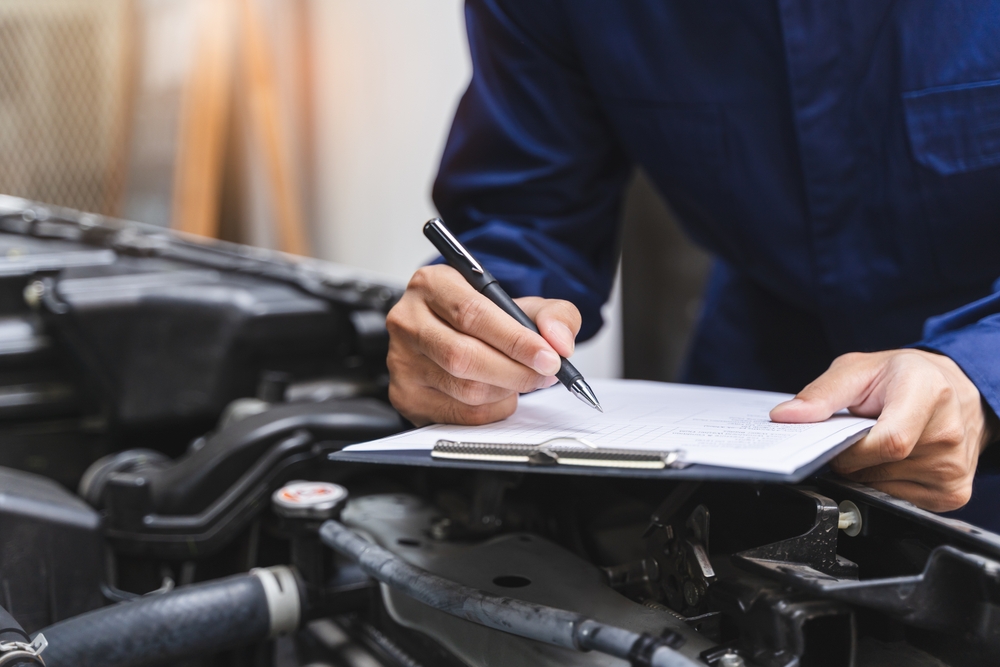
A pre-winter transmission and fluid check helps identify low, contaminated, or deteriorated fluids before cold weather places additional strain on your vehicle. Transmission fluid, engine oil, coolant, brake fluid, and other essential fluids each support systems you rely on during winter. Checking their condition before the first sustained cold spell gives you time to address problems before snowy hills and freezing mornings make reliable performance even more important.
What local drivers should know
Transmission fluid should be checked for proper level, condition, and signs of leakage before winter driving becomes routine.
Worcester’s hilly terrain can require frequent acceleration, braking, and gear changes, particularly on routes that climb away from the city’s lower central areas.
Cold temperatures can change how fluids flow, which can make an existing maintenance problem more noticeable during startup and early driving.
Coolant protection, engine oil condition, brake fluid, and other vehicle fluids deserve attention along with transmission fluid.
Unusual shifting, fluid spots beneath the vehicle, overheating, or warning lights should be investigated instead of waiting for winter conditions to arrive.
Why Does a Pre-Winter Fluid Check Matter in Worcester?
A pre-winter fluid check matters in Worcester because local vehicles face a combination of cold temperatures, substantial snowfall, hills, and winter road treatment. Those conditions can expose existing leaks, poor fluid condition, and shifting problems at a time when dependable acceleration, braking, and drivetrain operation are especially valuable.
The city’s own planning documents describe terrain that includes the Worcester Lowland, higher western uplands, East Side Hills, and the Quinsigamond Valley. Worcester’s hills also influenced the layout of its streets and neighborhoods, creating the elevation changes local drivers encounter every day.
Early’s on Park Avenue Inc. helps local drivers prepare their vehicles for those seasonal demands. When we inspect fluids before winter, the goal is to identify maintenance needs or warning signs while there is still time to address them before snow, ice, and colder starts become part of the daily drive.
What Do Local Weather and Terrain Tell Drivers?
Local weather and terrain show why fall is a practical time to inspect transmission fluid and other critical vehicle fluids. National Centers for Environmental Information records for the Worcester airport describe winters as cold and report historical annual snowfall averaging slightly less than 60 inches across area observing sites, with somewhat higher snowfall at the airport location.
The City of Worcester maintains dedicated winter plowing and snow operations, and its winter guidance includes snow clearing, sanding or salting, and winter parking restrictions. These preparations reflect how significant winter road conditions can become locally.
For drivers, that means a vehicle may go from a cold start to climbing a hill, navigating treated pavement, sitting in traffic, and repeatedly changing speed within a relatively short trip.
How Can Winter Driving Affect Your Transmission and Fluids?
Winter driving can make existing transmission and fluid problems easier to notice because colder temperatures affect fluid behavior while difficult road conditions place greater demands on the vehicle. The concern is not that one snowy hill will damage a healthy transmission, but that neglected maintenance can become more troublesome under demanding conditions.
Drivers traveling around areas such as Burncoat, Greendale, Union Hill, Grafton Hill, Main South, or the hills near the College of the Holy Cross may regularly experience elevation changes combined with traffic and frequent stops. Main South, for example, is a dense mixed-use neighborhood connecting Downtown and Webster Square, while city planning documents specifically identify several eastern hills and upland areas.
Proper fluid condition helps vehicle systems operate as designed through those changing demands.
What Warning Signs Should You Check Before Winter?
Warning signs before winter include changes in shifting, visible fluid leaks, warning lights, unusual smells, and temperature problems that could indicate a fluid or mechanical issue. Catching these symptoms during fall gives a technician an opportunity to determine the actual cause instead of assuming the problem will disappear.
Watch for:
Delayed engagement when shifting into drive or reverse.
Shifts that feel unusually harsh, hesitant, or inconsistent.
Engine speed rising without a corresponding increase in vehicle speed.
Red, brown, green, orange, or other fluid spots where the vehicle is parked.
A burning or unusual odor after driving.
Engine temperature readings that are higher or less stable than usual.
Dashboard warning lights that remain illuminated.
Fluid levels that repeatedly drop after being topped off.
A symptom does not automatically mean the transmission needs major repair. A proper inspection is the better way to determine whether the issue involves fluid condition, leakage, another component, or a separate vehicle system.
When Should You Call a Professional?
You should have the vehicle professionally inspected when you notice shifting changes, recurring fluid loss, overheating, warning lights, burning odors, or a leak you cannot confidently identify. Drivers can safely look beneath a parked vehicle and monitor dashboard indicators, but diagnosis and repair should be left to appropriate automotive service professionals.
Before Worcester’s colder weather settles in, professional inspection is especially useful if your vehicle already behaves differently during cold starts or while climbing. Waiting until a snowstorm or freezing morning can turn a manageable service need into a much less convenient problem.
What Are Common Causes of Pre-Winter Fluid Problems?
Common pre-winter fluid problems include normal fluid deterioration, leaks, overdue maintenance, aging seals or components, and previously unnoticed issues that become more apparent as temperatures fall. The exact cause should be diagnosed rather than assumed because different fluids and vehicle systems have different service requirements.
1. Fluid deterioration: Heat, time, mileage, and normal operation can gradually affect fluid condition.
2. Small leaks: Seals, hoses, gaskets, lines, and other components can develop leaks that slowly lower fluid levels.
3. Deferred maintenance: Skipping recommended inspections can allow fluid condition or small problems to go unnoticed.
4. Existing transmission concerns: Cold weather may make delayed engagement or inconsistent shifting more noticeable even though the underlying issue began earlier.
5. Cooling-system problems: Incorrect coolant concentration, leaks, or other cooling-system concerns deserve attention before repeated freezing temperatures arrive.
How Can Drivers Prepare Their Vehicles Before Winter?
Drivers can prepare by scheduling fluid inspections during fall, monitoring for leaks, following the vehicle manufacturer’s maintenance schedule, and addressing warning signs before snow arrives. A seasonal inspection is most useful when it evaluates the vehicle’s actual condition instead of automatically replacing every fluid.
At home, check your parking space periodically for fresh spots, pay attention to shifting behavior, watch dashboard warnings, and note any unusual odor or temperature change. Use the fluid type and inspection procedures specified for your particular vehicle.
DIY maintenance should stop when identifying the correct fluid, checking the proper level, locating a leak, or diagnosing a drivability symptom becomes uncertain.
What Results Can You Expect From a Pre-Winter Check?
A pre-winter check can give you a clearer understanding of fluid condition, visible leaks, maintenance needs, and problems that deserve additional diagnosis. Depending on the findings, the appropriate result may be no immediate service, routine fluid maintenance, leak repair, or further evaluation of a transmission or another vehicle system.
The value is knowing more about the vehicle before Worcester roads become snowy and icy. Preventive inspection cannot guarantee that a mechanical failure will never occur, but it can uncover observable problems that might otherwise remain unnoticed until winter.
What Pre-Winter Maintenance Mistakes Should You Avoid?
The biggest pre-winter maintenance mistakes are waiting for symptoms to become severe, assuming every fluid follows the same schedule, and treating a warning light or leak as something that can automatically wait until spring.
Mistake: Ignoring a small leak. Consequence: Fluid loss may continue and eventually affect system operation. Better approach: Identify the fluid and determine the source.
Mistake: Using appearance alone to diagnose transmission condition. Consequence: Color by itself may not explain how the system is operating. Better approach: Combine fluid inspection with the vehicle’s specifications and operating symptoms.
Mistake: Waiting for the first major snowfall. Consequence: Service becomes more urgent when you need reliable transportation most. Better approach: Schedule inspection during fall.
Mistake: Assuming difficult shifting is simply caused by cold weather. Consequence: An underlying problem may continue developing. Better approach: Have persistent or significant changes professionally evaluated.
What Is a Common Local Winter Driving Scenario?
A common local scenario is a driver leaving home on a cold morning, descending toward a lower part of the city, stopping repeatedly in traffic, and then climbing another hill later in the trip. Add snow, road salt, reduced traction, and colder fluid temperatures, and several vehicle systems are working under changing conditions.
Worcester’s planning documents note that hills have shaped street alignments and how people travel through the city. That local geography makes fall maintenance especially sensible for drivers whose daily routes include frequent elevation changes.
Which Services Can Help Prepare Your Vehicle?
Pre-winter automotive services can include fluid inspections, transmission evaluation, leak diagnosis, cooling-system checks, oil service, and other maintenance appropriate to the vehicle’s condition and manufacturer recommendations. The right service depends on what an inspection finds rather than a one-size-fits-all winter package.
At our shop, we can help determine whether a fluid simply needs monitoring, whether routine maintenance is due, or whether a symptom requires further diagnosis.
Should You Check Fluids Yourself or Schedule Professional Service?
DIY checks are useful for monitoring visible leaks, warning lights, and other obvious changes, while professional service is appropriate when fluid levels require specific procedures or a vehicle shows drivability symptoms. Modern transmissions in particular do not all use the same fluid-checking method.
A home check can help you notice that something has changed. Professional inspection can help identify what changed and what, if anything, should be done about it.
What Areas Do We Serve?
We serve drivers in Worcester and surrounding Central Massachusetts communities. Local customers may travel to us from nearby neighborhoods and communities while navigating the same mix of hills, cold temperatures, snow, and heavily used winter roads.
What Can Happen If You Ignore a Fluid or Transmission Problem?
Ignoring a fluid or transmission problem can allow leaks, inadequate lubrication, overheating, or drivability symptoms to worsen and potentially lead to more extensive service needs. The practical local concern is also timing, since losing dependable transportation during a Central Massachusetts cold spell or snow event can create significant disruption.
Taking care of a known symptom during fall gives you the opportunity to make a planned service decision rather than responding after the problem becomes more noticeable.
Frequently Asked Questions About Pre-Winter Fluid Checks
When should I get a pre-winter transmission check in Worcester?
Fall is a practical time to schedule a transmission check because it lets you address existing leaks, shifting concerns, or maintenance needs before sustained cold and snow arrive. If you already notice delayed engagement, rough shifting, unusual noises, warning lights, or leaking fluid, schedule an inspection rather than waiting for a particular month.
Does driving on Worcester’s hills wear out a transmission faster?
Hills can increase drivetrain workload because vehicles may need additional power while climbing and more frequent speed or gear changes in traffic, but hills alone do not mean a healthy transmission will fail early. Proper maintenance, vehicle condition, driving habits, load, and manufacturer specifications all matter.
Does transmission fluid need to be changed before every winter?
No. Transmission fluid should not automatically be changed every winter unless that interval is appropriate for your specific vehicle. Service requirements vary by manufacturer, transmission design, mileage, operating conditions, and fluid condition. An inspection can help determine whether maintenance is due rather than replacing fluid solely because winter is approaching.
Why does my transmission feel different on cold Worcester mornings?
Cold temperatures can affect fluid viscosity and how a vehicle behaves during the first part of a drive. Some temporary change may be normal for a particular vehicle, but persistent hesitation, slipping, harsh shifting, delayed engagement, or warning lights should be evaluated to determine whether a maintenance or mechanical problem exists.
What other fluids should I check before a Central Massachusetts winter?
Engine oil, coolant, brake fluid, transmission fluid, power-steering fluid when applicable, and windshield washer fluid are among the fluids that may warrant attention. The exact list depends on the vehicle. Coolant protection and adequate winter-rated washer fluid are particularly relevant when freezing temperatures and road spray become common.
Can I check my transmission fluid at home?
Sometimes, but the correct procedure depends on the vehicle. Some vehicles provide a conventional dipstick, while others use sealed or temperature-dependent checking procedures that are not intended as simple driveway maintenance. Follow the manufacturer’s procedure and avoid adding fluid unless you know the correct specification and level.
Should I worry about a small fluid spot under my car?
A new or recurring fluid spot deserves attention because even a small leak can provide an early warning of a developing issue. Note the approximate location, color, and frequency, but do not rely on color alone for identification. A professional inspection can confirm the source and whether repairs are needed.
Why prepare before Worcester’s first snowstorm?
Preparing before the first snowstorm gives you more opportunity to address maintenance on your schedule rather than after winter driving becomes difficult. Local snow operations are an established part of Worcester’s winter season, so checking a vehicle before repeated snow, road treatment, and freezing weather is a practical preventive step.
Prepare Your Vehicle for Worcester Winter Driving
Fall is a useful opportunity to find small maintenance issues before cold starts, snowy roads, and the city’s familiar hills put winter reliability higher on your priority list. We can inspect your vehicle’s fluids and investigate transmission symptoms so you can make an informed maintenance decision before the season changes.
Get Ready for the Hills, Cold, and Snow Ahead
Know what condition your vehicle is in before demanding winter driving begins.
As summer fades and colder mornings return, many drivers in Worcester discover battery problems at the worst possible time. A vehicle that started without issue in August can suddenly refuse to turn over during a chilly October morning, leaving you stranded before work, school, or weekend plans.
Quick Answer
Fall is the best time to prepare your vehicle for winter by having your battery tested, checking for signs of wear, and making sure you know who to call if your vehicle breaks down. Cold temperatures reduce battery performance, and early maintenance helps Worcester drivers avoid unexpected towing, delayed commutes, and costly emergency repairs.
What Local Readers Should Know
Battery performance naturally declines as temperatures drop, making fall the ideal season for preventative testing.
Worcester’s freeze-thaw cycles can put additional strain on older batteries and electrical systems.
Heavy commuter traffic along I-290, I-190, Route 9, and the Massachusetts Turnpike makes roadside breakdowns especially stressful.
Drivers throughout Worcester County can reduce the chance of unexpected towing with a simple seasonal inspection.
Planning ahead before winter weather arrives can save both time and money during the busiest towing season.
Why This Matters Locally
Fall battery preparation matters because Worcester experiences significant seasonal temperature swings before winter fully arrives. Early morning temperatures often dip well below comfortable driving conditions long before snow begins to fall. These changing conditions can expose batteries that were already weakening during the hot summer months.
Older neighborhoods, busy commercial districts, and daily travel between Worcester, Shrewsbury, Auburn, Millbury, and Holden mean local drivers depend on reliable transportation every day. Whether you’re commuting downtown, visiting UMass Memorial Medical Center, or heading toward Union Station, the last thing you want is a vehicle that won’t start.
Early’s on Park Avenue Inc. understands how quickly a minor battery issue can become a roadside emergency. We encourage drivers to prepare before cold weather arrives instead of waiting until a breakdown happens.
Local Data or Field Observations
Professional towing companies often see a noticeable increase in battery-related service calls as temperatures begin to fall. While every vehicle is different, our field observations show that many roadside assistance requests during late fall involve batteries that gave little warning before failing.
Vehicles that have older batteries, infrequent use, or existing charging system issues are especially vulnerable once overnight temperatures begin dropping.
Local Impact
A weak battery affects much more than simply starting your vehicle.
For Worcester drivers, a dead battery can lead to:
Missed work or school.
Delayed medical appointments.
Longer waits during busy roadside assistance periods.
Increased towing expenses if problems are ignored.
Added stress during cold or wet weather.
Commercial vehicles can also experience costly downtime when battery problems interrupt deliveries or service appointments.
Warning Signs Your Battery May Be Failing
Watch for these common warning signs before colder weather arrives:
Slow engine cranking during startup.
Headlights that appear dimmer than normal.
Dashboard battery warning light.
Clicking sound when turning the key.
Corrosion around battery terminals.
Battery older than three to five years.
Electrical accessories behaving inconsistently.
If you notice more than one of these symptoms, it’s wise to have the battery inspected before temperatures continue dropping.
When to Call a Professional
You can safely inspect your battery for obvious corrosion, loose cables, or visible damage. If your vehicle repeatedly struggles to start, requires frequent jump starts, or shows charging system warnings, professional service is recommended.
If your vehicle won’t start despite a jump, stalls unexpectedly, or becomes disabled on a busy roadway, roadside assistance and towing provide the safest solution.
Common Local Causes of Fall Battery Problems
Battery failures in Worcester commonly result from several seasonal factors.
1. Summer Heat Damage
High summer temperatures gradually weaken battery components even though the symptoms often do not appear until cooler weather arrives.
2. Cold Morning Temperatures
Lower temperatures reduce a battery’s available starting power, making existing weaknesses much more noticeable.
3. Short Daily Trips
Frequent short drives may not fully recharge the battery after each startup.
4. Aging Batteries
Most automotive batteries lose reliability as they age, even if they appeared to function normally during warmer months.
5. Charging System Problems
Alternator or electrical system issues may leave the battery undercharged, increasing the likelihood of a roadside breakdown.
Prevention and Maintenance
Fall maintenance is one of the easiest ways to improve winter reliability.
Consider these preventative steps:
Have your battery professionally tested before winter.
Clean corrosion from battery terminals.
Secure loose battery connections.
Inspect charging system performance.
Replace aging batteries before they fail.
Keep emergency roadside contact information readily available.
Avoid leaving lights or accessories running when the engine is off.
Expected Results
Seasonal battery maintenance helps reduce the risk of unexpected breakdowns, although no inspection can predict every future failure.
Drivers who address battery concerns early typically enjoy:
More dependable cold-weather starting.
Greater confidence during winter travel.
Fewer emergency roadside calls.
Reduced likelihood of being stranded.
Better overall electrical system performance.
Common Mistakes
Mistake: Waiting until the first freezing morning to think about the battery.
Consequence: The battery may fail without warning during your morning commute.
Better Approach: Schedule a battery inspection during early fall.
Mistake: Assuming a successful jump start solved the problem.
Consequence: The underlying battery or charging issue remains.
Better Approach: Have the battery and charging system evaluated after any jump start.
Mistake: Ignoring slow engine cranking.
Consequence: Complete battery failure often follows.
Better Approach: Treat slow starts as an early warning sign.
Common Local Scenario
A Worcester driver leaves work after sunset on a cool October evening. The engine hesitates before starting but eventually turns over. The next morning, after overnight temperatures fall even further, the battery is completely dead, requiring roadside assistance before the commute can begin.
Situations like this become increasingly common as seasonal temperatures decline.
Related Service Solutions
Battery-related roadside emergencies often require more than a simple jump start.
Depending on the situation, professional services may include:
We proudly assist drivers throughout Worcester and surrounding communities, including Shrewsbury, Auburn, Holden, Millbury, and other nearby areas across Worcester County. Whether you’re at home, work, or stranded on a local roadway, we’re ready to help when you need dependable roadside assistance and towing.
Cost of Ignoring the Issue
Waiting until winter arrives can increase the likelihood of a complete battery failure during the busiest roadside assistance season. Delaying maintenance may also leave you stranded in unsafe conditions or create additional repair expenses if electrical problems worsen.
When should Worcester drivers have their battery tested?
Fall is the best time to have your battery tested in Worcester. Testing before colder temperatures arrive helps identify weak batteries before they leave you stranded during the winter months.
How long does a typical car battery last?
Most automotive batteries last between three and five years. Actual lifespan depends on driving habits, weather conditions, maintenance, and the overall health of the vehicle’s charging system.
Why do batteries fail when the weather gets colder?
Cold temperatures reduce the battery’s ability to deliver starting power. Batteries weakened by summer heat often fail once overnight temperatures begin dropping.
Can I drive after getting a jump start in Worcester?
Sometimes you can, but a jump start does not necessarily solve the underlying problem. A professional battery and charging system inspection is recommended if the battery required a jump.
Does Worcester weather affect battery life?
Yes. Seasonal temperature swings, cold mornings, and winter weather all contribute to additional battery stress throughout the year.
When should I call for towing instead of another jump start?
If your vehicle will not stay running, repeatedly needs jump starts, or appears unsafe to drive, professional towing is the safest option.
Can older vehicles be more prone to battery problems?
Yes. Older vehicles often have aging electrical components that can increase battery wear or create charging system issues.
Is fall really the best time for preventative battery maintenance?
Yes. Addressing battery concerns before winter reduces the likelihood of emergency roadside breakdowns during the coldest months.
Stay Ready Before Cold Weather Arrives
A reliable battery is one of the simplest ways to avoid unexpected roadside trouble during the colder months. Taking a proactive approach this fall can help keep your vehicle dependable throughout the Worcester winter.
Don’t Wait Until Your Battery Fails
Whether you need roadside assistance, a tow, or help after a battery-related breakdown, we’re here to help keep you moving with dependable service throughout Worcester and the surrounding communities.
Driving through Worcester means more than sitting at traffic lights. From the steep grades near Green Hill Park to the hills around College Hill, your brakes work harder than they would on flatter roads. If your vehicle starts squealing, grinding, or feeling spongy, those sounds and sensations are often your first warning that something needs attention before it becomes a bigger problem.
Quick Answer
Brake noises and changes in pedal feel usually point to different types of wear or mechanical issues. Squealing often signals worn brake pads, grinding may indicate metal-on-metal contact or damaged components, and a spongy brake pedal can suggest air in the brake lines, worn hydraulic components, or brake fluid issues. Prompt brake inspection helps prevent more expensive repairs and keeps your vehicle safer on Worcester’s demanding roads.
What Local Drivers Should Know
Worcester’s steep streets and frequent stop-and-go traffic can cause brake components to wear faster than in flatter communities.
Winter road salt used throughout Worcester County can contribute to corrosion on brake hardware and lines over time.
Driving between Worcester, Shrewsbury, Auburn, and Holden often means frequent braking on hills and busy intersections.
Brake noises rarely fix themselves. Addressing them early often prevents additional damage.
Changes in brake pedal feel should always be inspected promptly because they may affect stopping performance.
Why This Matters Locally
Brake systems face unique challenges throughout Worcester. Neighborhoods like Tatnuck, Burncoat, and Vernon Hill include steep inclines where drivers rely heavily on their brakes. Winter snow, freezing temperatures, spring potholes, and road salt all place additional stress on brake components.
Older roads, changing elevations, and busy commuter traffic along Park Avenue, Route 9, and Interstate 290 mean local drivers often brake more frequently than those in less congested areas. These conditions make regular brake inspections especially valuable.
At Early’s on Park Avenue Inc., we help local drivers understand what their vehicles are telling them so small brake concerns do not turn into major repairs.
Local Field Observations
Professional repair shops throughout Central Massachusetts commonly see seasonal changes in brake wear. Winter moisture and road salt can accelerate corrosion on rotors, calipers, and brake hardware. Spring often brings increased brake concerns after months of exposure to snow, ice, and rough pavement.
Vehicles that regularly travel Worcester’s hills may also experience faster brake pad wear than vehicles driven primarily on level highways.
What Different Brake Symptoms Usually Mean
Squealing Often Means Brake Pads Are Wearing
A high-pitched squeal is commonly caused by brake pad wear indicators contacting the rotor. Many manufacturers intentionally include these indicators to alert drivers before the friction material becomes dangerously thin.
Other possible causes include:
Moisture on brake components
Glazed brake pads
Dust buildup
Minor rotor surface issues
Although occasional squealing after rain may disappear quickly, persistent squealing deserves professional inspection.
Grinding Usually Means Immediate Attention Is Needed
Grinding noises often indicate the brake pads have worn completely through, allowing metal backing plates to contact the rotors.
Grinding may also result from:
Damaged brake hardware
Debris caught between components
Severely worn rotors
Failing calipers
Continuing to drive while brakes grind can significantly increase repair costs because additional parts may become damaged.
A Spongy Brake Pedal Can Signal Hydraulic Problems
A soft or spongy brake pedal often means hydraulic pressure is not building correctly throughout the braking system.
Possible causes include:
Air inside brake lines
Old or contaminated brake fluid
Brake fluid leaks
Worn master cylinder components
Flexible brake hoses deteriorating with age
Because braking performance may be reduced, a spongy pedal should be inspected as soon as possible.
Local Impact
Brake problems affect more than convenience in Worcester. Long downhill sections require consistent braking, making properly functioning brakes especially important. Drivers commuting through Downtown Worcester, near Union Station, or around busy intersections frequently stop and start throughout the day.
Ignoring early warning signs can lead to:
Longer stopping distances
Increased repair costs
Premature rotor replacement
Reduced driver confidence
Unexpected breakdowns
Warning Signs to Watch For
Watch for these common brake warning signs:
Persistent squealing or squeaking during braking.
Grinding or scraping noises.
A brake pedal that feels soft, spongy, or sinks lower than normal.
Vehicle pulling to one side while braking.
Vibrations or pulsing felt through the brake pedal.
Brake warning light appearing on the dashboard.
Burning smells after driving down long hills.
When to Call a Professional
Brake systems should be professionally inspected whenever grinding noises, a soft pedal, warning lights, or noticeable reductions in braking performance occur.
Drivers can safely monitor for unusual sounds, visible brake fluid beneath the vehicle, or changes in pedal feel. However, brake system repairs involve critical safety components and generally should not be delayed or handled without proper equipment and experience.
Common Local Causes
1. Hill Driving
Frequent elevation changes throughout Worcester increase brake usage and generate more heat during daily driving.
2. Winter Road Salt
Massachusetts winters expose brake components to moisture and salt, increasing the risk of corrosion.
3. Stop-and-Go Traffic
Busy roads such as Route 9 and Interstate 290 require repeated braking during peak commuting hours.
4. Vehicle Age
Older vehicles may develop worn hydraulic components, rusted brake lines, or sticking calipers.
5. Seasonal Temperature Changes
Freeze-thaw cycles can affect brake hardware and contribute to corrosion over time.
Have brake fluid inspected according to manufacturer recommendations.
Listen for new noises instead of waiting for them to worsen.
Wash road salt from your vehicle during winter when weather allows.
Avoid riding the brakes while descending steep hills by using lower gears when appropriate.
Expected Results
Early brake service often restores quieter operation, smoother stopping, and improved pedal feel. Addressing brake wear before additional components become damaged may also reduce overall repair costs.
Each vehicle is different, so repair recommendations depend on inspection findings and the condition of the braking system.
Common Mistakes
Mistake: Ignoring occasional squealing.
Consequence: Brake pads may wear completely, leading to rotor damage.
Better Approach: Schedule an inspection when new noises first appear.
Mistake: Waiting until grinding begins.
Consequence: Repairs often become more extensive and expensive.
Better Approach: Replace worn brake pads before metal contacts the rotor.
Mistake: Assuming a soft pedal is normal.
Consequence: Hydraulic issues may reduce braking effectiveness.
Better Approach: Have the brake system inspected promptly.
Common Local Scenario
A Worcester commuter drives from the west side into Downtown every weekday, navigating multiple hills and heavy traffic. After hearing occasional squealing for several weeks, the driver notices grinding while descending a steep hill. What began as routine brake pad replacement may now also require new rotors because the warning signs were delayed.
Related Service Solutions
Brake concerns often involve more than replacing pads. Depending on inspection results, solutions may include:
Identifies the actual cause of noises or pedal changes
Provides the most accurate repair recommendations
Service Areas
We proudly serve drivers throughout Worcester along with nearby communities including Shrewsbury, Auburn, Holden, Millbury, Leicester, and other areas across Worcester County. Our goal is helping local motorists stay safe regardless of where their daily commute takes them.
Cost of Ignoring the Issue
Waiting too long can allow worn brake pads to damage rotors, calipers, or other components. A small repair may become significantly more involved if brake problems continue unchecked, especially on vehicles regularly driven across Worcester’s steep terrain.
Why do my brakes squeal only in Worcester mornings?
Brake squealing during cool or damp Worcester mornings can sometimes be caused by moisture on the brake components. If the noise continues after driving or becomes more frequent, it should be inspected.
Is grinding always a serious brake problem?
Yes. Grinding usually indicates severe brake wear or damaged components. Continuing to drive may increase repair costs and reduce braking performance.
Does winter road salt in Worcester County affect brakes?
Yes. Road salt can contribute to corrosion on brake hardware, calipers, and brake lines over time, making regular inspections especially valuable after winter.
How often should Worcester drivers have their brakes inspected?
A brake inspection during routine maintenance or whenever unusual noises or pedal changes appear is a practical approach. Drivers who frequently travel steep hills may benefit from more frequent inspections.
Can a spongy brake pedal go away by itself?
No. A spongy brake pedal generally indicates a hydraulic issue that should be diagnosed rather than ignored.
Why do hills wear brakes faster?
Driving on steep grades requires more braking force and creates additional heat, which can increase brake component wear over time.
Should I replace brake pads before they start grinding?
Yes. Replacing brake pads before grinding begins helps protect rotors and may reduce overall repair costs.
Can potholes affect my braking system?
Yes. Rough roads and potholes common after Massachusetts winters may contribute to suspension and brake component wear, making inspections worthwhile if new symptoms appear.
Keep Your Brakes Ready for Worcester Roads
Brake noises are your vehicle’s way of asking for attention. Whether you hear squealing, grinding, or notice a soft pedal, addressing the issue early can help keep you safer and may prevent more extensive repairs later.
Hear Something Different? Let’s Find the Cause.
Our team is here to help you understand what your brakes are telling you with a thorough inspection and honest recommendations.
If your Massachusetts inspection sticker is about to expire, a little preparation can save you time, money, and the frustration of a failed inspection. Whether you drive through downtown Worcester every day, commute on I-290, or travel the Mass Pike, making sure your vehicle is inspection-ready helps keep you safe and legal on the road.
Quick Answer
Passing the Massachusetts Safety & Emissions Inspection requires your vehicle to meet state standards for safety equipment, emissions systems, and overall roadworthiness. Before your inspection, check your lights, tires, windshield, wipers, brakes, horn, and dashboard warning lights. If your Check Engine Light is on, your vehicle will likely not pass the emissions portion of the inspection.
What Local Drivers Should Know
Massachusetts requires most registered vehicles to receive an annual safety and emissions inspection.
Worcester’s harsh winters, potholes, and road salt can accelerate wear on suspension, brakes, tires, and exhaust components.
Dashboard warning lights, especially the Check Engine Light, can prevent your vehicle from passing the emissions test.
Roads throughout Worcester County often expose vehicles to rough pavement that can affect steering and suspension over time.
Scheduling an inspection before your sticker expires gives you time to address any issues without unnecessary stress.
Why This Matters Locally
Massachusetts weather can be tough on vehicles. Snow, ice, freezing temperatures, and road salt throughout the winter create conditions that contribute to rust, worn brake components, damaged suspension parts, and exhaust system deterioration. Drivers traveling between Worcester, Shrewsbury, Auburn, Holden, and Millbury often experience potholes and uneven pavement that can increase wear on tires and steering components.
For local drivers, annual inspections are more than a legal requirement. They help identify safety concerns before they become expensive repairs or roadside breakdowns.
At Early’s on Park Avenue Inc., we help local drivers prepare their vehicles for inspection by identifying common issues before they become failed inspection items. From routine maintenance to repairs, we work to make the inspection process as smooth as possible.
Local Data and Field Observations
According to the Massachusetts Vehicle Check Program, annual inspections include both a safety inspection and, for most applicable vehicles, an emissions inspection. Vehicles are evaluated for items such as brakes, tires, steering, suspension, lighting, windshield condition, mirrors, and emissions-related systems.
From our experience serving drivers throughout Worcester County, the most common reasons vehicles fail inspection include worn tires, brake issues, illuminated warning lights, damaged windshields, burned-out bulbs, and emissions-related problems.
Local Impact
A failed inspection can create more than an inconvenience. Delays in making repairs may affect your ability to legally operate your vehicle, disrupt your commute, or lead to more costly repairs later.
For Worcester drivers, reliable transportation is especially important during winter weather, school schedules, and daily commuting. Addressing small issues before inspection often prevents larger repair bills down the road.
Warning Signs Your Vehicle May Not Pass Inspection
Some common warning signs include:
The Check Engine Light is illuminated.
Brake pads make grinding or squealing noises.
Tires have low tread depth or uneven wear.
Headlights, brake lights, or turn signals are not working.
Windshield cracks obstruct the driver’s view.
Windshield wipers leave streaks or fail to clear rain effectively.
Suspension feels loose or the vehicle pulls while driving.
The horn or other required safety equipment does not function properly.
When to Call a Professional
If you notice warning lights, unusual noises, steering problems, or brake performance issues, it is best to have your vehicle inspected before your official state inspection.
Basic checks like replacing wiper blades or confirming your lights work can often be done at home. However, diagnosing emissions problems, brake issues, suspension wear, or engine-related warning lights requires professional equipment and expertise.
Common Local Causes of Inspection Failures
1. Winter Road Salt
Road salt used throughout Worcester can accelerate corrosion on brake lines, exhaust systems, and vehicle frames.
2. Pothole Damage
Frequent travel on rough roads can contribute to worn suspension components, alignment problems, and tire damage.
3. Cold Weather
Low temperatures place additional strain on batteries, lighting systems, and tire pressure.
4. Delayed Maintenance
Waiting too long between oil changes, brake service, or tire rotations often allows minor problems to become inspection failures.
5. Emissions System Issues
Faulty oxygen sensors, EVAP system leaks, catalytic converter problems, or engine misfires commonly trigger the Check Engine Light.
Prevention and Maintenance
Preparing your vehicle a few weeks before your inspection can improve your chances of passing the first time.
Consider checking:
Tire pressure and tread depth.
All exterior lights.
Windshield condition.
Windshield washer fluid.
Wiper blade condition.
Brake performance.
Dashboard warning lights.
Registration and insurance documentation.
Routine maintenance throughout the year also helps identify problems before inspection season arrives.
What to Expect During an Inspection
A properly maintained vehicle typically moves through the inspection process efficiently. If repairs are needed, addressing them promptly allows you to complete any required reinspection according to Massachusetts regulations.
Drivers who prepare ahead of time generally experience fewer surprises and less downtime.
Common Mistakes
Ignoring the Check Engine Light
Consequence: The vehicle may fail the emissions inspection.
Better approach: Have the warning light diagnosed before scheduling your inspection.
Waiting Until the Last Minute
Consequence: Repairs may delay your ability to obtain a valid inspection sticker.
Better approach: Schedule your inspection before your current sticker expires.
Skipping Routine Maintenance
Consequence: Minor wear can become larger repair issues.
Better approach: Keep up with manufacturer-recommended maintenance throughout the year.
Overlooking Exterior Lighting
Consequence: Burned-out bulbs can result in a failed safety inspection.
Better approach: Test every light before your appointment.
Common Local Scenario
A driver from Worcester notices their inspection sticker expires at the end of the month but assumes everything is fine because the vehicle still drives normally. During a quick pre-inspection visit, worn front brakes and a failed brake light bulb are discovered. Completing those repairs beforehand allows the vehicle to pass inspection without the inconvenience of returning for additional repairs.
Related Service Solutions
Preparing for inspection often includes services such as:
Identifies simple issues like burned-out bulbs or worn wipers
Cannot diagnose emissions or mechanical problems
Professional Pre-Inspection
Finds safety and emissions concerns before inspection
May prevent repeat visits and unexpected failures
Wait for Official Inspection
No preparation required
Greater chance of failing and needing repairs afterward
Service Areas
We proudly assist drivers throughout Worcester as well as nearby communities including Shrewsbury, Auburn, Holden, Millbury, Leicester, and other areas across Worcester County. Whether you commute locally or travel throughout Central Massachusetts, we help keep your vehicle inspection-ready.
The Cost of Ignoring Inspection Issues
Delaying repairs can allow small problems to become larger ones. Worn brakes may damage rotors, tire issues can affect handling, and unresolved engine problems may become more expensive over time. Addressing maintenance early often reduces repair costs while helping keep your vehicle safe and reliable.
How often do vehicles need a Massachusetts inspection in Worcester?
Most registered passenger vehicles require an annual Massachusetts safety inspection, and many also require an emissions inspection. Keeping track of your inspection sticker helps you remain compliant with state requirements.
Will my Check Engine Light cause my vehicle to fail?
Yes. For many vehicles, an illuminated Check Engine Light can prevent passing the emissions inspection. Diagnosing the issue beforehand is recommended.
Can winter weather affect my inspection results?
Yes. Snow, ice, road salt, and potholes throughout Worcester County commonly contribute to brake wear, rust, suspension damage, and tire problems.
What items are checked during the safety inspection?
The inspection generally includes brakes, tires, steering, suspension, windshield, wipers, mirrors, horn, seat belts, lights, and other required safety equipment.
Should I inspect my vehicle before the official inspection?
Yes. A pre-inspection allows potential issues to be identified and repaired before your scheduled state inspection, helping reduce the chance of failing.
What happens if my vehicle fails in Worcester?
If your vehicle does not pass inspection, you’ll need to complete the necessary repairs and follow Massachusetts requirements regarding reinspection. Addressing issues promptly helps minimize inconvenience.
Are older vehicles more likely to fail inspection?
Older vehicles may experience additional wear on brakes, suspension, exhaust systems, and emissions components, making regular maintenance especially important.
Why do potholes matter for vehicle inspections?
Potholes found throughout Central Massachusetts can contribute to tire damage, wheel alignment problems, and worn suspension components that may affect inspection results.
Keep Your Vehicle Ready for the Road
Annual inspections are an excellent opportunity to confirm your vehicle remains safe, reliable, and compliant with Massachusetts requirements. Staying ahead of maintenance helps reduce stress and keeps you driving confidently throughout Worcester and the surrounding communities.
Schedule Your Pre-Inspection with Confidence
We’re here to help identify potential problems before inspection day and keep your vehicle performing at its best.
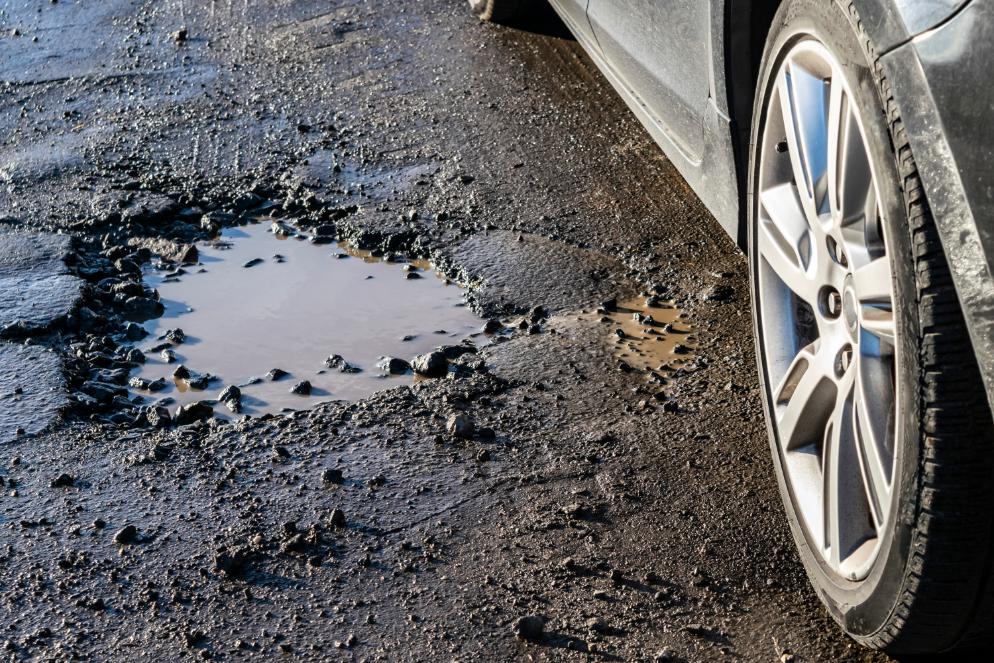
Winter and early spring in Central Massachusetts often leave drivers dealing with rough roads, unexpected craters, and frustrating vehicle damage. If you commute through busy corridors like Park Avenue, I-290, Route 9, or local neighborhood streets, you’ve probably experienced the jolt of hitting a pothole that seemed impossible to avoid.
Quick Answer
Potholes can damage your tires, wheels, suspension, steering, and alignment in a single impact. Worcester’s freeze-thaw cycles make potholes especially common after winter, increasing the risk of expensive repairs. Knowing what damage to look for and addressing problems early can help prevent additional wear and improve your vehicle’s safety.
What Local Readers Should Know
Freeze-thaw weather across Worcester County creates ideal conditions for potholes to form each winter and spring.
Even a single hard impact can knock your vehicle’s alignment out of specification or damage suspension components.
Busy roads, neighborhood streets, and construction zones throughout Worcester often develop rough pavement before permanent repairs are completed.
Strange steering, tire vibration, or uneven tire wear after hitting a pothole should never be ignored.
Prompt inspections can identify hidden damage before it leads to larger repair bills.
Why This Matters Locally
Potholes are more than an inconvenience for drivers in Worcester. The combination of freezing temperatures, snow, ice, road salt, and repeated thawing weakens pavement throughout the region. Areas such as Shrewsbury Street, Main South, Greendale, Tatnuck, and nearby communities like Auburn, Shrewsbury, Millbury, and Holden all experience seasonal road deterioration.
For commuters, delivery drivers, students traveling to local colleges, and families running daily errands, repeated impacts can slowly wear down a vehicle without immediately obvious symptoms.
At Early’s on Park Avenue Inc., we understand how local driving conditions affect vehicles because we see the results every season. We help drivers identify pothole-related damage before small issues become expensive repairs.
Local Data and Field Observations
Freeze-thaw cycles are widely recognized by transportation agencies, including the Massachusetts Department of Transportation, as one of the primary causes of pothole formation. Water enters small pavement cracks, freezes, expands, and weakens the roadway. As traffic passes over the damaged surface, sections of pavement break away and create potholes.
From a repair perspective, spring often brings an increase in vehicles with bent wheels, damaged tires, worn suspension components, and alignment problems after months of winter driving.
How Potholes Damage Your Vehicle
Potholes can damage multiple vehicle systems at once. The force created when your tire drops into a deep hole transfers directly through the wheel and suspension, potentially affecting several components simultaneously.
Common damage includes:
Bent or cracked wheels
Tire sidewall bulges or punctures
Misaligned steering
Worn or damaged shocks and struts
Damaged control arms or ball joints
Steering linkage wear
Premature tire wear
Some damage appears immediately, while other problems develop gradually over hundreds of miles.
Warning Signs After Hitting a Pothole
Your vehicle often gives warning signs after pothole damage occurs. Paying attention to these symptoms can help you schedule repairs before additional components wear out.
Watch for:
Steering wheel vibration
Vehicle pulling to one side
Uneven tire wear
Tire pressure loss
Clunking noises over bumps
Crooked steering wheel while driving straight
Reduced ride comfort
Visible wheel or tire damage
Even if the vehicle still feels drivable, these symptoms deserve professional inspection.
When to Call a Professional
Professional inspection is recommended whenever a significant pothole impact changes how your vehicle drives. Minor cosmetic wheel scuffs may not require immediate attention, but steering, suspension, and tire issues should always be evaluated.
Drivers can safely:
Check tire pressure
Look for visible tire bulges or cuts
Inspect wheels for obvious bends
Monitor for warning lights
Professional service is recommended if:
The steering feels different.
The vehicle pulls left or right.
Tire damage is visible.
Suspension noises develop.
Vibration continues at highway speeds.
You suspect alignment issues.
Common Local Causes
Several local conditions make pothole damage especially common around Worcester.
1. Freeze-Thaw Weather
Repeated freezing and thawing weakens pavement throughout Worcester County every winter.
2. Heavy Traffic
Major commuter routes experience constant vehicle loads that accelerate pavement deterioration.
3. Snow Removal Operations
Plowing, salt application, and winter weather contribute to pavement wear over time.
4. Aging Road Surfaces
Older streets may develop cracks that allow water infiltration before resurfacing projects occur.
5. Spring Moisture
Rain and melting snow continue weakening damaged pavement before long-term repairs are completed.
Prevention and Maintenance
Preventing pothole damage starts with defensive driving and regular vehicle maintenance.
Helpful tips include:
Leave extra following distance to spot potholes sooner.
Slow down safely when rough pavement is unavoidable.
Maintain proper tire pressure year-round.
Rotate tires according to manufacturer recommendations.
Schedule wheel alignment checks if steering feels different.
Have suspension components inspected during routine maintenance.
Avoid swerving suddenly to miss potholes, as this may increase the risk of collisions with nearby vehicles.
Expected Results
Prompt repairs can restore normal vehicle handling and prevent additional wear. Depending on the damage, repairs may include tire replacement, wheel repair, alignment service, suspension component replacement, or steering repairs.
Addressing problems early often helps prevent premature tire wear and protects other suspension components from additional stress.
Common Mistakes
Mistake: Ignoring a steering pull after hitting a pothole. Consequence: Tires wear unevenly and suspension parts experience additional stress. Better Approach: Schedule an alignment inspection as soon as symptoms appear.
Mistake: Continuing to drive on a tire with a sidewall bulge. Consequence: The tire may fail unexpectedly. Better Approach: Replace damaged tires promptly.
Mistake: Assuming no visible damage means everything is fine. Consequence: Hidden suspension or alignment issues continue worsening. Better Approach: Have the vehicle professionally inspected after severe impacts.
Common Local Scenario
A Worcester commuter hits a deep pothole during the morning drive after a late winter storm. Initially, everything seems normal, but within several days the steering wheel begins vibrating at highway speeds and one tire starts wearing faster than the others. An inspection reveals a bent wheel and alignment issue that likely resulted from the original impact. Addressing both problems restores proper handling and helps prevent additional tire replacement costs.
Related Service Solutions
Several automotive services help correct pothole-related damage.
Depending on inspection results, solutions may include:
We proudly serve drivers throughout Worcester as well as nearby communities including Auburn, Shrewsbury, Holden, Millbury, Leicester, and surrounding areas of Worcester County. Local drivers rely on us to help keep their vehicles safe despite challenging seasonal road conditions.
Cost of Ignoring the Issue
Waiting too long can increase repair costs. Driving with poor alignment, damaged suspension components, or compromised tires may accelerate wear on other parts and reduce handling performance. Addressing issues early often helps avoid more extensive repairs later.
Pothole damage is especially common after winter because repeated freeze-thaw cycles weaken pavement throughout Worcester and surrounding communities. Drivers often notice increased road hazards during late winter and early spring.
Can a pothole knock my alignment out?
Yes. A significant pothole impact can change wheel alignment, causing uneven tire wear, steering pull, and reduced handling performance.
Should I replace a tire with a sidewall bulge?
Yes. A sidewall bulge usually indicates internal structural damage, and the tire should be professionally evaluated and replaced if necessary.
Why do potholes get worse every spring in Worcester County?
Freeze-thaw cycles allow water to expand beneath pavement, gradually breaking apart the road surface. Heavy traffic then enlarges the damaged areas.
Can suspension damage occur without obvious tire damage?
Yes. Suspension components can absorb impact forces even when the tire appears normal. Strange noises or steering changes may indicate hidden damage.
How soon should I have my vehicle inspected after hitting a pothole?
As soon as possible if you notice vibration, pulling, tire damage, steering changes, unusual noises, or warning lights. Early inspection helps identify problems before they become more expensive.
Will an alignment fix all pothole damage?
No. An alignment corrects wheel angles, but damaged suspension components, bent wheels, or damaged tires may also require repair or replacement.
Can repeated smaller potholes cause damage over time?
Yes. Numerous smaller impacts can gradually wear suspension components and contribute to alignment issues, especially on heavily traveled local roads.
Closing
Seasonal road conditions are part of driving in Worcester, but pothole damage doesn’t have to become a long-term problem. Recognizing the warning signs early and scheduling professional inspections when needed can help protect your vehicle, improve safety, and reduce unnecessary repair costs.
Protect Your Vehicle Before Small Problems Become Major Repairs
Whether you’ve recently hit a pothole or simply want peace of mind after another rough Massachusetts winter, we’re here to help.
Contact us today to schedule a professional vehicle inspection and keep your car driving safely on Worcester’s roads.