As the new year kicks off, it’s the perfect time to give your vehicle the attention it deserves. Cold weather, holiday travel, and months of wear and tear can all leave your car in need of serious TLC. Beginning the year with a well-maintained vehicle not only ensures your safety but can also save you thousands by avoiding unexpected breakdowns. Whether you drive a daily commuter, family SUV, or work truck, focusing on key repairs early in the year sets the tone for reliable and efficient driving. Here are the most important auto repairs to prioritize as you hit the road in January.
Preventative Maintenance: A Small Investment With Big Returns
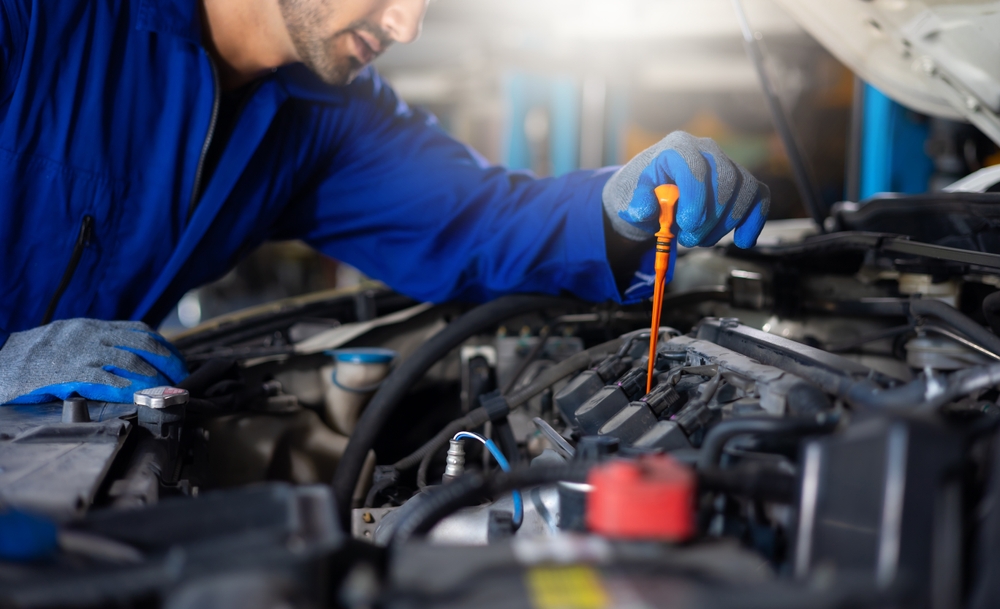
Preventative maintenance is your best friend when it comes to keeping your vehicle running smoothly and avoiding major repair bills later. At the start of the year, take the time to schedule a comprehensive inspection. This means catching small issues early to avoid major mechanical failures later in the year. Think of it as your car’s annual check-up. During this process, a professional mechanic will look for signs of wear, leaks, low fluids, frayed belts, and other common red flags.
Addressing these problems while they’re still minor is far less expensive than dealing with a blown head gasket or failed transmission months down the line. Even seemingly simple tasks like tightening loose bolts, inspecting hoses, or replacing an aging air filter can play a key role in extending your car’s life. It’s also a good opportunity to review your service records and make sure you haven’t missed any routine intervals recommended by your vehicle’s manufacturer.
Fluid Flush and Replacement: Keeping Systems Running Strong
One of the most neglected but crucial aspects of vehicle upkeep is fluid flush and replacement. These fluids include engine oil, coolant, brake fluid, and transmission fluid. Each plays an essential role in maintaining optimal system performance.
Old engine oil thickens and collects contaminants over time, reducing lubrication and putting your engine at risk. Similarly, coolant loses its ability to regulate temperature and prevent corrosion, especially after winter exposure. Brake fluid, when it absorbs moisture, can lead to a soft brake pedal or even complete failure. Transmission fluid not only lubricates gears but also helps manage heat, which is especially important if you live in a region with extreme temperatures.
By starting the new year with fresh fluids, you’re ensuring your car operates at peak efficiency. It’s a proactive way to avoid overheating, grinding gears, or brake problems in the months to come. Your mechanic can recommend which fluids need changing based on mileage and driving conditions.
Brake System Overhaul: Safety First
Nothing is more important than being able to stop safely. If your brakes have been squeaking, grinding, or feeling less responsive lately, it’s time for a brake system overhaul. This involves checking and replacing worn pads, rotors, or drums for maximum safety. Your braking system endures a lot of abuse, especially in stop-and-go traffic or mountainous terrain, and it requires regular attention.
The start of the year is a smart time to inspect brake components for wear. Mechanics will also check the brake lines, calipers, and brake fluid. Even if your car seems to stop fine, small warning signs like a longer braking distance or pulsing pedal could be early indicators of trouble.
Neglecting brake maintenance could lead to metal-on-metal contact, damaging rotors and resulting in costly repairs. It could also pose a serious risk to your safety and others on the road. By getting your brake system checked now, you can drive with confidence no matter what conditions lie ahead.
Suspension and Alignment: Smoother Rides and Longer Tire Life
If your car pulls to one side, vibrates at higher speeds, or feels bouncy over bumps, your suspension and alignment may need attention. Over time, potholes, curbs, and rough roads can throw your wheels out of alignment and wear down shocks or struts. Early in the year, it’s wise to correct alignment and replace worn shocks or struts to improve handling and save your tires.
A misaligned vehicle doesn’t just make driving more difficult, it also causes uneven tire wear. This shortens the lifespan of your tires and can lead to expensive replacements sooner than expected. Worn suspension components also reduce your ability to control the vehicle during emergency maneuvers.
A professional alignment service, combined with a suspension check, will ensure your wheels are pointed correctly and your vehicle rides as it should. With improved stability and control, your car will handle better on wet or icy roads and provide a more comfortable driving experience throughout the year.
New Tire Installation: Grip the Road With Confidence
If your tires are worn, cracked, or older than five years, it’s time to invest in a fresh set. New tire installation is one of the most important safety upgrades you can make. Tires affect everything from stopping distance and traction to fuel efficiency and ride comfort.
Winter driving can be especially brutal on tires, and cold temperatures reduce tire pressure, increasing the risk of a blowout or uneven wear. Starting the year with new tires ensures better traction, especially in wet, icy, or slushy conditions. It also improves steering response and reduces road noise.
Your mechanic can help you choose the right type of tire based on your climate, driving habits, and vehicle type. Whether it’s all-season, performance, or snow tires, having the proper tread pattern and compound can make a noticeable difference in how your vehicle handles day-to-day driving.
Battery and Alternator Testing: Avoid Getting Stranded
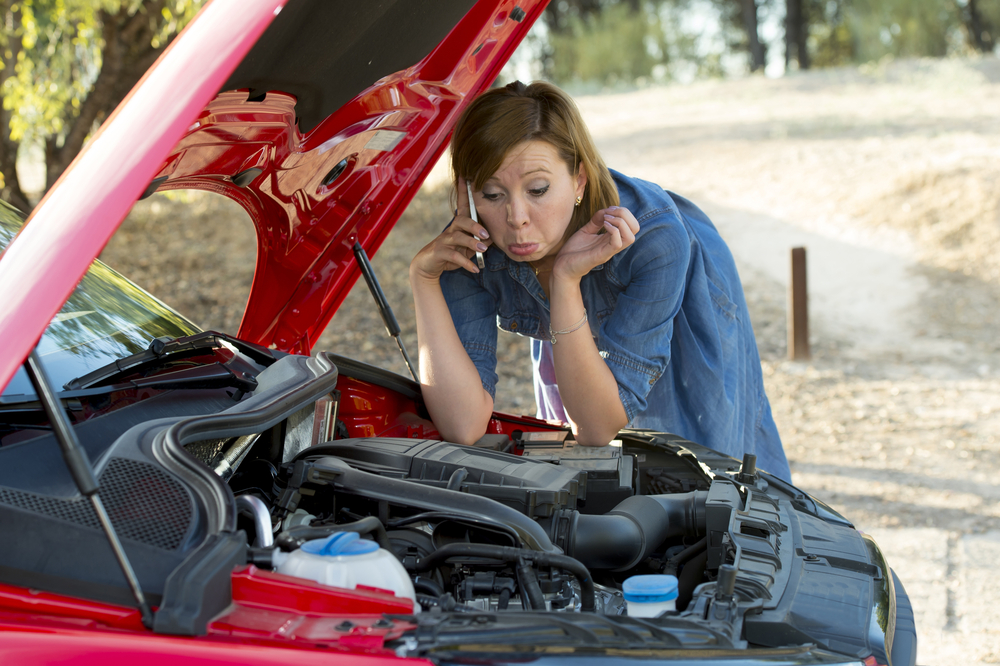
Cold weather is hard on your car’s electrical system. If your car was slow to start in recent weeks or if you’ve noticed flickering lights or electrical glitches, it’s time for battery and alternator testing. Ensuring your electrical system is reliable, especially after cold-weather stress, is essential for winter survival and overall dependability.
Batteries lose a significant amount of their power in freezing temperatures. If your battery is more than three years old, it could be on the brink of failure. The alternator, which charges the battery while the engine runs, should also be checked for proper voltage output and condition of the drive belt.
Testing both components takes just a few minutes, and catching a weak battery or failing alternator before they die can save you from being stranded in the cold. If needed, replace them now and enjoy the peace of mind of a strong, reliable start every morning.
Timing Belt Replacement: Protect Your Engine
Many drivers overlook the timing belt because it’s hidden behind engine covers and doesn’t show signs of wear like other parts. But when this belt breaks, the damage can be catastrophic. Timing belt replacement is a critical “mileage-based” repair that prevents catastrophic engine damage.
Depending on your vehicle, the timing belt may need to be replaced every 60,000 to 100,000 miles. Ignoring this repair can lead to bent valves, damaged pistons, or a destroyed engine. The cost of replacement is a fraction of what you’d pay to rebuild or replace the engine after a failure.
Start the year by checking your service records or asking your mechanic whether your timing belt is due. Some vehicles use a timing chain, which lasts longer, but it’s still worth having inspected for wear or tension problems.
HVAC System Service: Stay Comfortable Year-Round
Your HVAC system doesn’t just keep you warm or cool, it also ensures defrosting works properly for visibility and safety. HVAC system service is important as the seasons shift. Cleaning filters and checking the AC/heater to ensure comfort for the upcoming seasons can improve airflow, eliminate odors, and ensure your system is running efficiently.
If you notice weak air output, strange smells, or inconsistent temperatures, schedule a service now. The heater core, blower motor, and A/C compressor are common failure points that should be inspected early.
Fresh cabin filters can also help reduce allergens and dust inside the vehicle, making the interior more pleasant for drivers and passengers alike.
Wiper Blade and Lighting Update: Clear Vision is Key
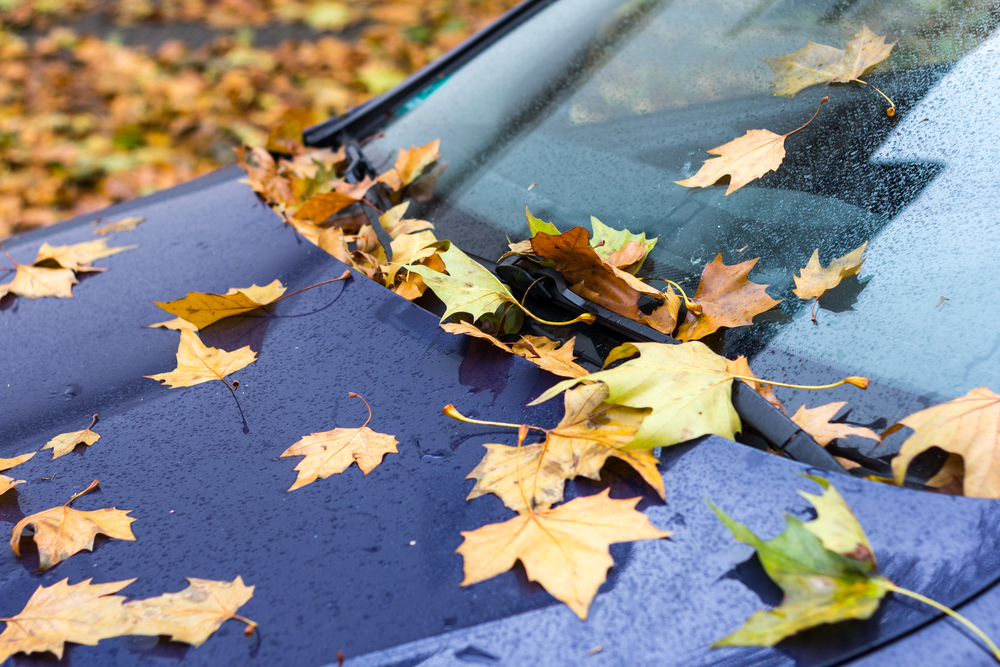
Worn wiper blades and dim lights are more than annoyances; they’re safety hazards. Starting the year with a wiper blade and lighting update means replacing streaky blades and dim bulbs for better visibility and safety.
Wiper blades should be changed at least once a year, especially if they’ve been exposed to snow, ice, or extreme sun. New blades ensure clear vision during rain, sleet, and snowstorms. Don’t forget to top off your windshield washer fluid too.
Check all lights including headlights, taillights, brake lights, and turn signals. Brighter, more reliable lighting helps you see better and ensures other drivers can see you. Upgrading to modern LED bulbs can be a worthwhile investment for older vehicles.
Spark Plug and Ignition Service: Ignite a Fresh Start
Lastly, consider a spark plug and ignition service to improve engine combustion, power, and gas mileage for a fresh start. Spark plugs are small but essential, igniting the fuel-air mixture in your engine. Over time, they wear down, reducing performance and increasing fuel consumption.
A misfiring engine or reduced acceleration could be signs that your ignition system needs attention. Replacing spark plugs, ignition coils, or wires restores smooth operation and can even reduce emissions. It’s a simple upgrade that can have a noticeable effect on how your vehicle feels and performs.
Conclusion
Taking the time to focus on the most important repairs early in the new year is a smart way to protect your investment, avoid stress, and stay safe on the road. From preventative maintenance and fluid flush and replacement to a full brake system overhaul and battery testing, every repair you make today helps you prevent a problem tomorrow. Don’t wait for a breakdown or warning light to take action. Start the year off right by giving your car the care it deserves and enjoy worry-free driving all year long.
Need a Towing & Auto Repair Shop in Worcester, MA?
Here at Early’s on Park Avenue Inc., we’re dedicated to getting you back on the road with reliable, fast, and friendly service. Whether you need 24-hour towing, expert auto repair, or are looking for quality vehicles for sale, we’re here to help! As a family-owned business, we take pride in treating our customers like family and delivering top-notch service every time. Don’t wait—give us a call today and let us handle all your automotive needs!
As the seasons shift and temperatures drop, vehicles face a different set of challenges that can compromise performance, reliability, and safety. Cold weather has a particularly harsh impact on the mechanical systems of your car, making it essential to perform proactive maintenance before winter arrives. From fluid systems to the ignition, tires to wipers, each component requires special attention to keep your vehicle roadworthy in freezing conditions. Here’s a guide to the most crucial auto repairs and checks to help you prepare for the cold months ahead.
Battery Load Test: The Most Critical Cold-Weather Failure Point
Perhaps the most common winter-related vehicle issue is a dead battery. Cold temperatures can drastically reduce a battery’s capacity, and if your battery is already weak, it’s likely to fail when you need it most. Performing a battery load test is a vital step in cold weather preparation. This diagnostic checks the battery’s ability to hold voltage while under load, which simulates real starting conditions.
A battery that might seem fine in mild weather can underperform or fail entirely when temperatures plunge. Many auto shops offer a quick battery load test that reveals the health of your battery, giving you the chance to replace it before it leaves you stranded in the cold. Also, be sure the battery terminals are clean and free of corrosion to allow proper current flow.
Antifreeze/Coolant Flush: Ensures Engine Cooling System Doesn’t Freeze
The engine cooling system is just as important in winter as it is in summer. In cold conditions, the risk isn’t overheating but freezing. An antifreeze/coolant flush is essential for maintaining the correct balance of coolant and water in your radiator. Old or diluted coolant loses its ability to lower the freezing point of your engine’s cooling system, increasing the risk of serious damage.
Flushing the system ensures that no debris or corrosion is blocking coolant flow, and it allows you to refill with fresh antifreeze that can protect the engine even in sub-zero temperatures. This is also a good time to inspect hoses and the radiator cap for signs of wear or leakage, as pressure consistency is critical in cold weather.
Winter Tire Swap / Tire Chain Prep
Your car’s connection to the road becomes even more crucial when winter arrives. All-season tires are often inadequate for driving in snow or icy conditions, so a winter tire swap can significantly improve traction and safety. Winter tires have softer rubber compounds and deeper treads that stay pliable in low temperatures, allowing them to grip the road better.
If you drive in mountainous or rural areas where snow chains are required, now is also the time for tire chain prep. Make sure your chains are the correct size and in good condition, and practice installing them before you actually need them. This small step can prevent delays and ensure your readiness when weather conditions deteriorate.
Brake Caliper Service: Cleaning and Lubricating to Prevent Freezing/Seizing
The braking system is one of the most important safety features in your vehicle, and its performance can be compromised by cold, wet, and salty winter environments. A proper brake caliper service includes cleaning and lubricating the caliper pins, which ensures that your brakes engage and disengage smoothly.
In freezing temperatures, moisture and road grime can cause the calipers to seize or freeze, leading to uneven braking or even brake failure. Regular service prevents this by removing accumulated debris and applying high-temperature lubricant. It also gives you the opportunity to inspect the brake pads and rotors for wear, giving you peace of mind on slippery roads.
Heater Core Flush: For Optimal Cabin Heating and Defroster Function
A functioning heater isn’t just a luxury in winter; it’s a safety necessity. The heater core is a small radiator that transfers heat from your engine coolant into the cabin. If it’s clogged or inefficient, your car may struggle to warm up or defrost the windshield properly. Performing a heater core flush ensures unrestricted coolant flow through the core, providing reliable cabin heat and defrosting capability.
This maintenance step is particularly important in older vehicles, where buildup from years of mineral deposits or rust can create blockages. A heater core flush not only improves comfort but also enhances visibility by ensuring the defrosters can clear frost from your windows effectively.
Visibility can be severely impaired by snow, ice, or road grime during winter months. Wiper blade service is a simple yet often overlooked aspect of winter preparation. Old, cracked, or streaking blades should be replaced with high-quality winter wiper blades that can handle snow and ice.
In addition to the blades themselves, it’s important to check the windshield washer fluid mix. Standard fluid can freeze in the lines or reservoir, so make sure you’re using a winter-specific blend that remains fluid at low temperatures. A functioning wiper system is your first line of defense against visibility issues, so make sure it’s up to the task.
Fluid Level Check / Synthetic Oil Change: Lighter Oil is Better for Cold Starts
Cold temperatures increase the viscosity of engine oil, making it harder for the engine to turn over and start. A synthetic oil change with a lighter-grade oil improves cold-weather lubrication and reduces the strain on your engine during start-up. Synthetic oils are engineered to flow more easily at low temperatures while still protecting at high temperatures, making them ideal for winter driving.
In addition to changing your oil, performing a full fluid level check is essential. This includes power steering fluid, brake fluid, transmission fluid, and windshield washer fluid. Topping off or replacing these fluids as needed ensures your car operates smoothly and reliably even in harsh conditions.
Ignition System Check: Ensuring Spark Plugs and Coils are Reliable in the Cold
The ignition system is responsible for starting your engine and keeping it running efficiently. Cold weather can amplify any existing issues with spark plugs, ignition coils, or wiring. A thorough ignition system check should be part of your winter readiness plan. Worn or fouled spark plugs can lead to misfires and poor fuel economy, especially when the engine is cold.
Ignition coils, which convert voltage for the spark plugs, are also susceptible to moisture and extreme temperatures. Ensuring these components are in good working condition improves starting reliability and engine performance in freezing conditions. If your car has been hesitating or stalling recently, winter will only make those problems worse.
Conclusion
Preparing your vehicle for cold weather is not just about convenience; it’s about safety and reliability. From a battery load test to a heater core flush, every aspect of your car’s mechanical system is stressed more during winter, and preventative maintenance is the best way to avoid breakdowns or dangerous driving situations.
Making time for critical services like an antifreeze/coolant flush, winter tire swap, and brake caliper service can mean the difference between a smooth winter season and costly emergency repairs. Similarly, attending to your wiper blade service, fluid level check, synthetic oil change, and ignition system check ensures your vehicle is ready for the road, no matter how low the temperature drops.
Winter brings unique driving challenges, but with the right preparation, your vehicle can meet them head-on. Don’t wait for the first snowfall to begin your winter maintenance routine. Start now, and drive confidently through the coldest months of the year.
Need a Towing & Auto Repair Shop in Worcester, MA?
Here at Early’s on Park Avenue Inc., we’re dedicated to getting you back on the road with reliable, fast, and friendly service. Whether you need 24-hour towing, expert auto repair, or are looking for quality vehicles for sale, we’re here to help! As a family-owned business, we take pride in treating our customers like family and delivering top-notch service every time. Don’t wait—give us a call today and let us handle all your automotive needs!
For many car enthusiasts and budget-conscious drivers, rolling up your sleeves and tackling vehicle repairs in your own garage can be empowering. It’s a rite of passage for those who appreciate the mechanical heartbeat of their car. But what happens when your DIY auto-repair doesn’t go according to plan? What if your trusted toolbox leads you into deeper mechanical trouble rather than a successful fix?
DIY auto-repairs, while cost-saving and educational, can sometimes result in complications that spiral beyond your control. Misdiagnosed problems, improperly installed parts, or even overlooked manufacturer requirements can render your vehicle not only inoperable but potentially unsafe. When that happens, it’s time to pause, recalibrate, and follow a structured response.
Below, we’ll walk you through a comprehensive guide on what to do when a DIY auto-repair fails you. From knowing when to halt DIY work immediately to seeking professional automotive diagnosis and securing emergency roadside assistance, this blog lays out every necessary step to get back on the road safely and smartly.
Halt DIY Work Immediately
The first and most crucial step when you realize your DIY repair has gone wrong is to stop. Halt DIY work immediately. It might be tempting to press on in hopes of salvaging the situation, but continuing to experiment could cause more harm than good.
If the car exhibits signs like unusual noises, smoke, error lights, or fluid leaks after your repair, it’s a clear sign something is off. Continuing to work without a clear understanding of the issue can escalate the damage. In the worst cases, it may even void manufacturer warranties or pose safety risks.
Taking a break also gives you time to clear your mind and approach the problem from a more rational and less emotionally charged perspective. Rather than guessing and potentially making things worse, give yourself space to evaluate your options and ensure your next steps are calculated and informed.
Document All DIY Steps
Once you’ve recognized that the repair has failed and have stopped working, the next step is to document all DIY steps you took during the repair process. This isn’t just useful for your records—it’s a crucial resource for the professional who may ultimately take over.
Write down or photograph every step you took, including parts replaced, fluids used, and specific tools involved. If you followed a guide or tutorial, include links or references. Did you disconnect the battery? Replace a sensor? Reinstall a brake caliper? All of this matters.
Accurate documentation helps the auto repair specialist search for the root cause without guessing, which saves time and money. It also protects you from misunderstandings. For example, if a mechanic incorrectly assumes you skipped a critical step, your notes can help clear things up and guide them in the right direction.
Identify Failure Symptoms
The next step in reclaiming control over the situation is to identify failure symptoms. What exactly is wrong with the car now? Is the engine failing to start, are warning lights flashing, or is there a strange knocking sound from the transmission?
Try to be as precise and detailed as possible when describing what’s happening. Include changes in how the vehicle handles, smells, or sounds. If it was running before and now won’t even crank, note that. If the issue seems intermittent—say the power steering works only occasionally—record the circumstances under which that occurs.
These symptoms are clues. They can help when you seek a professional automotive diagnosis and will support the certified technician in pinpointing what went wrong with your DIY approach. Your awareness and articulation could also prevent unnecessary diagnostic labor, which can be costly.
Evaluate Warranty Status
Before you seek help or make further repairs, evaluate warranty status on your vehicle and any parts you recently installed. If your vehicle is under a factory warranty or extended service contract, you’ll want to understand what’s covered and whether your DIY repair may have affected that coverage.
In some cases, the warranty might still be intact, especially if the work done didn’t violate terms related to tampering or unauthorized modifications. If you purchased new parts, they often come with warranties too, which may cover replacements or defects.
Understanding your warranty status will inform your next move. It could mean the difference between paying out of pocket or having your repairs covered, either fully or partially. If you’re unsure, contact your vehicle manufacturer or the store where you bought the parts to clarify the specifics.
Seek Tow to Certified Mechanic
Once you’ve documented your work, identified the symptoms, and checked on your warranty, it’s time to get your vehicle into professional hands. Don’t try to drive it if it’s unsafe or if it might worsen the damage. Instead, arrange a tow to certified mechanic who is qualified to handle your make and model.
Towing might feel like an admission of defeat, but it’s actually a smart safeguard. A certified professional will perform a comprehensive evaluation, often starting with a professional automotive diagnosis using advanced tools and systems that go far beyond the DIY toolkit.
Make sure to provide the mechanic with your documentation and symptom checklist when they receive your vehicle. The more context you offer, the more efficiently they can work. You may also want to ask for a preliminary diagnostic estimate so you have a sense of the scope and cost.
If you’re stranded on the road when the failure occurs, don’t hesitate to use emergency roadside assistance. Whether you have coverage through your insurance, vehicle warranty, or a third-party service like AAA, prompt help can prevent dangerous roadside situations and get your vehicle safely to a repair shop.
Conclusion
DIY auto repairs are a valuable way to learn about your vehicle, save money, and take control of maintenance. However, when things go wrong, it’s critical to recognize the limits of your knowledge and tools. Ignoring the signs or continuing to tinker can lead to costlier consequences and serious safety hazards.
The best course of action when a repair goes awry is to halt DIY work immediately and begin a methodical assessment of the situation. Document all DIY steps you’ve taken, identify failure symptoms in detail, and evaluate warranty status before reaching out for professional help. If your vehicle is inoperable, call for emergency roadside assistance and arrange a tow to certified mechanic for a thorough inspection.
Remember, a failed DIY repair is not the end of the road. With careful steps and the expertise of an auto repair specialist, you can turn a frustrating setback into a valuable lesson—and get your car safely back on the road. Taking responsibility, seeking professional automotive diagnosis, and partnering with the right experts will ensure your vehicle is restored with precision and care.
Need a Towing & Auto Repair Shop in Worcester, MA?
Here at Early’s on Park Avenue Inc., we’re dedicated to getting you back on the road with reliable, fast, and friendly service. Whether you need 24-hour towing, expert auto repair, or are looking for quality vehicles for sale, we’re here to help! As a family-owned business, we take pride in treating our customers like family and delivering top-notch service every time. Don’t wait—give us a call today and let us handle all your automotive needs!
Seasonal changes bring shifts in weather, road conditions, and driving demands. Each season has its own set of challenges, whether it’s summer heat stressing your AC system, autumn leaves making roads slippery, or winter’s icy grip threatening traction and visibility. To keep your car running smoothly and to avoid unexpected breakdowns, it’s vital to prep your car for seasonal changes with a well-thought-out auto maintenance routine. Doing so helps in avoiding troubles on your vehicle when the seasons change and ensures that every road trip is safe, efficient, and enjoyable.
Checking Your AC and Heating Systems
One of the first things drivers notice when seasons change is the demand on their comfort systems. As temperatures climb in spring and summer, a fully functional AC becomes essential. If it has been months since you last used the AC, you might find weak airflow, unpleasant odors, or simply warm air blowing out. Scheduling an AC repair before the hottest days arrive keeps you comfortable and prevents the system from failing during peak use. An early inspection might uncover leaks, low refrigerant, or clogged filters that can be easily fixed before they turn into major repairs.
On the flip side, when the colder months approach, your heating and defrosting systems must be checked thoroughly. Heating not only keeps passengers warm but also ensures your windshield stays clear. A malfunctioning blower or clogged heater core can leave you stranded in discomfort. Addressing these needs proactively allows you to seamlessly transition between the extremes of summer and winter without facing sudden breakdowns.
Tires, Brakes, and Roadtrip Readiness
Every driver knows that roadtrip services such as checking brakes and tires are crucial before embarking on long drives. Tires are your direct connection to the road, and their condition becomes even more critical when seasons shift. In warmer months, high heat can cause tire blowouts if they are underinflated or worn down. In colder months, worn tires lose the grip needed to manage icy or snowy conditions. Rotating your tires and checking tread depth can improve safety and extend tire life, making them more adaptable to varying weather conditions.
Brakes also take on different responsibilities depending on the season. Rain, ice, or road salt can all affect brake performance, making regular inspections non-negotiable. A technician can check brake pads, rotors, and fluid to ensure the system remains responsive in emergency situations. Drivers planning long trips should invest in comprehensive roadtrip services, where brakes, tires, lights, and even windshield wipers are checked. By prepping your car for seasonal changes in this way, you minimize risks and ensure your road trips remain memorable for the right reasons.
Fluids and Battery Maintenance
As the weather shifts, your car’s fluids play a central role in performance and reliability. Coolant, also known as antifreeze, regulates your engine’s temperature. Too little or an improper mixture can cause overheating in summer or freezing in winter. Transmission and brake fluids also need regular checks to ensure smooth operation regardless of temperature extremes. Oil, the lifeblood of your engine, thickens in colder weather and breaks down faster in hotter weather, so seasonal oil changes are often recommended.
Your battery is another component that can be affected by seasonal transitions. Cold weather slows chemical reactions in batteries, making it harder to start your car, while hot weather accelerates corrosion on terminals. Testing the battery and cleaning connections before each seasonal shift helps prevent unexpected failures. A strong, well-maintained battery ensures that your AC repair, heating system, and roadtrip services function without interruption, providing peace of mind in every condition.
Visibility and Seasonal Hazards
Visibility is often overlooked until it becomes a problem. Seasonal changes bring unique hazards that affect how well you see and are seen. In autumn, shorter days mean more driving after dark. Ensuring headlights, brake lights, and turn signals are clean and functional is essential. In winter, snow and ice can reduce visibility, making it necessary to replace worn wiper blades and top off windshield washer fluid with antifreeze-safe formulas.
Spring often brings rain, which can overwhelm wipers that are already streaking or skipping. Summer heat can crack and warp wiper blades, leaving you unprepared when sudden downpours hit. A simple inspection and replacement when needed make a significant difference in avoiding troubles on your vehicle when the seasons change. Additionally, keeping windows and mirrors clean not only enhances your view but also prevents glare during sunrise and sunset transitions.
Planning Ahead for Seasonal Transitions
Prepping your car for seasonal changes is more than just reacting to weather conditions—it’s about anticipating what lies ahead. Each season offers signals of what your car may need. In late summer, start considering winter preparations such as checking antifreeze levels and tire condition. In early spring, assess how your car handled winter challenges and schedule maintenance for summer readiness. These proactive steps allow you to avoid last-minute service appointments, which are often in high demand when everyone else realizes their vehicle is unprepared.
Planning also means considering the unique driving you do during each season. Summer might include family vacations, where roadtrip services keep your vehicle ready for extended highway driving. Winter may require an emergency kit in your trunk, including blankets, flashlights, and traction aids. Autumn often calls for checking the suspension and steering to handle wet leaves and early frost. By thinking ahead, you align your vehicle with the demands of each season, making transitions seamless.
Conclusion
Seasonal changes challenge vehicles in different ways, from heat stressing the AC system to ice testing tire traction. Preparing for these transitions is about more than avoiding breakdowns—it’s about ensuring comfort, safety, and efficiency in every journey. By investing in AC repair, scheduling roadtrip services such as tire and brake checks, monitoring fluids and battery health, maintaining visibility, and planning ahead, you create a routine that helps in avoiding troubles on your vehicle when the seasons change. Your car becomes not just a means of transportation but a dependable companion ready for whatever weather comes next. Taking time to prep your car for seasonal changes is one of the most effective ways to safeguard your travels and extend the life of your vehicle.
Need a Towing & Auto Repair Shop in Worcester, MA?
Here at Early’s on Park Avenue Inc., we’re dedicated to getting you back on the road with reliable, fast, and friendly service. Whether you need 24-hour towing, expert auto repair, or are looking for quality vehicles for sale, we’re here to help! As a family-owned business, we take pride in treating our customers like family and delivering top-notch service every time. Don’t wait—give us a call today and let us handle all your automotive needs!
The auto repair industry is full of honest, hardworking professionals, but like any business, there are always a few bad apples who take advantage of unsuspecting customers. Autoshop scams can cost you hundreds—or even thousands—of dollars, not to mention the stress and frustration that come with feeling cheated. Whether you’re new to car ownership or have been driving for decades, learning the art of detecting autoshop scams is crucial for protecting your wallet and your vehicle.
In this guide, we’ll explore the red flags, deceptive tactics, and proven strategies you can use when figuring out how to uncover autoshop scams. We’ll also explain how to avoid autoshop scams altogether so you can drive away with peace of mind.
Understanding the Psychology Behind Autoshop Scams
Before we dive into specifics, it’s important to understand why autoshop scams happen in the first place. Most mechanics genuinely want to fix your car and earn your trust. But dishonest shops prey on customers’ lack of technical knowledge.
Cars are complex machines, and unless you’ve spent years under the hood, it’s easy to feel overwhelmed when a mechanic starts listing parts and repairs you’ve never heard of. Scammers exploit this knowledge gap to upsell unnecessary services, inflate prices, or even invent problems that don’t exist.
Some scams are designed to create urgency. A mechanic might warn you that your brake system is on the verge of catastrophic failure, hoping the fear of an accident will push you into approving expensive repairs immediately. Others work on the principle of confusion—burying you in jargon so you simply nod along, unsure of what’s legitimate and what’s a con.
By recognizing these psychological tactics, you’ll be better equipped to approach any repair conversation with a healthy dose of skepticism and confidence.
Common Signs When Detecting Autoshop Scams
When it comes to detecting autoshop scams, the key is knowing what patterns to look for. While every scammer’s style is different, many share common warning signs that should immediately raise your guard.
One red flag is the “phantom problem.” You bring your car in for a routine oil change, and suddenly, you’re told your transmission is failing, your alternator needs replacing, and your suspension is shot. While it’s possible multiple issues exist, the odds of so many unrelated major problems appearing at once are slim.
Another sign is vague or evasive explanations. A trustworthy mechanic will show you the damaged part, explain how it affects your car’s performance, and answer your questions clearly. Scammers tend to gloss over details, offer inconsistent answers, or push back when you ask for clarification.
You should also be wary of inflated labor charges. Dishonest shops may bill you for more hours than the job actually takes, banking on the fact that most customers won’t know the standard time required for specific repairs. If you’re quoted 10 hours for a job that industry guidelines say should take three, something’s off.
Finally, be alert to high-pressure sales tactics. If a mechanic insists you must authorize repairs immediately or face dire consequences, step back. A reputable shop will give you space to think, research, and get a second opinion.
How to Uncover Autoshop Scams Before They Cost You
Learning how to uncover autoshop scams is as much about preparation as it is about real-time observation. Before taking your car in for service, do your homework. Check reviews for the shop online, paying attention not just to ratings but also to patterns in customer complaints. If multiple people mention feeling pressured into unnecessary repairs, take it seriously.
When you arrive, make note of how the staff interacts with you. Are they respectful and willing to explain their recommendations in plain language, or do they seem rushed and dismissive? Ask for a written estimate before authorizing any work—legitimate businesses expect this request and will happily comply.
If you’re told a part is failing, ask to see it. Physically examining the issue can give you a better sense of whether the problem is real. You can also request that the old part be returned to you after the repair, which discourages unscrupulous shops from replacing something that was never actually broken.
Cross-check pricing with multiple sources. Many auto parts stores can give you a quick ballpark cost for both the part and the labor. If the shop’s quote is wildly higher without a solid explanation, that’s a red flag.
In some cases, even reputable shops can make honest mistakes. That’s why getting a second opinion is invaluable. A quick visit to another mechanic can confirm whether the first shop’s diagnosis was accurate or exaggerated.
Steps to Take to Avoid Autoshop Scams Entirely
The best way to protect yourself is to avoid autoshop scams before they have a chance to happen. Building a relationship with a reputable mechanic is one of the most effective strategies. When a shop knows you’re a long-term, loyal customer, they have a vested interest in maintaining your trust rather than risking it for a quick profit.
Ask friends, family, or coworkers for recommendations. Word-of-mouth referrals can point you toward mechanics with a proven track record of honesty. Once you find a good shop, stick with it for regular maintenance so they become familiar with your vehicle’s history.
Educating yourself about your car is another powerful defense. You don’t have to become an expert, but learning basic terms, maintenance schedules, and how to check essential fluids can help you avoid being misled. There are countless free resources—videos, forums, and even short community college classes—that can boost your confidence.
Keep records of all repairs and services. If a mechanic claims a certain part is worn out but you just replaced it six months ago, you’ll have the paperwork to prove it. Detailed records also make it harder for scammers to fabricate maintenance histories.
Finally, trust your instincts. If something feels wrong—whether it’s the way a mechanic talks to you, the urgency of their warnings, or the size of the bill—it’s worth stepping back and reassessing. Walking away is always an option.
The Long-Term Impact of Falling for an Autoshop Scam
Falling victim to an autoshop scam isn’t just about losing money in the moment—it can have long-lasting consequences. Financially, overpaying for unnecessary repairs or replacing perfectly good parts is an immediate hit. But there’s also the risk of damage to your vehicle if improper repairs are performed.
For example, if a shop replaces a part that wasn’t broken but installs it incorrectly, you could face new mechanical issues down the line. Worse yet, a scammer might skip a repair you genuinely needed, putting your safety at risk.
Psychologically, being scammed can erode your trust in all mechanics, making it harder to seek help when your car really does need attention. This distrust might lead to delaying necessary maintenance, which often results in bigger and more expensive problems later.
On a broader scale, every successful scam encourages dishonest behavior in the industry. When customers don’t push back, shady practices become normalized, hurting both honest mechanics and other drivers. By speaking out, reporting scams to consumer protection agencies, and sharing your experiences online, you not only protect yourself but also help others avoid falling into the same traps.
Conclusion
Autoshop scams thrive on confusion, urgency, and a lack of transparency. By learning the warning signs, understanding the tactics scammers use, and knowing how to uncover autoshop scams before agreeing to repairs, you can protect both your money and your car. The key is staying informed, asking questions, and refusing to be pressured into quick decisions.
While the vast majority of auto repair professionals are trustworthy, taking proactive steps to avoid autoshop scams ensures that you’re never caught off guard. From building a relationship with a reputable mechanic to getting second opinions and keeping detailed records, these strategies will help you navigate the repair process with confidence.
Your car is one of your most valuable assets—treat it, and yourself, with the care and diligence they deserve. In the end, the best defense against being scammed is knowledge, preparation, and the willingness to walk away when something doesn’t feel right.
Need a Towing & Auto Repair Shop in Worcester, MA?
Here at Early’s on Park Avenue Inc., we’re dedicated to getting you back on the road with reliable, fast, and friendly service. Whether you need 24-hour towing, expert auto repair, or are looking for quality vehicles for sale, we’re here to help! As a family-owned business, we take pride in treating our customers like family and delivering top-notch service every time. Don’t wait—give us a call today and let us handle all your automotive needs!