
How Warmer Weather Wears on Vehicles!
Spring arrives with longer days, blooming trees, and a collective sigh of relief after months of brutal cold. But while you are busy swapping out your heavy coat for something lighter, your vehicle is quietly dealing with the aftermath of winter and bracing for a new set of seasonal stressors. Warmer weather is not as gentle on your car as you might think. From the tires touching the pavement to the fluid circulating through the engine, the transition from cold to warm can expose damage that has been building for months. Understanding what spring does to your vehicle is the first step toward preventing costly repairs and keeping yourself safe on the road.
Tires and Suspension Take the First Hit
One of the most immediate effects of warming temperatures is tire pressure fluctuation. Rapid temperature shifts cause air to expand or contract, often leading to improper inflation levels. A tire that was perfectly inflated in February can read overinflated by April as the mercury climbs, and the reverse is equally true during those chilly spring mornings that give way to warm afternoons. Overinflation reduces the tire’s contact patch with the road, decreasing traction and increasing wear in the center of the tread. Underinflation, on the other hand, causes the edges to wear prematurely and puts extra heat stress on the sidewalls. Checking your tire pressure at least once a month during spring is a simple habit that pays real dividends.
Suspension and alignment damage is another consequence that becomes obvious as the seasons change. Winter potholes frequently misalign steering or damage suspension components like shocks and struts. Those craters in the road that formed during freeze-thaw cycles have been battering your suspension all winter long. You may not notice the effects immediately, but as you spend more time driving in spring, symptoms like pulling to one side, uneven tire wear, or a bumpy ride on smooth roads will start to surface. A professional alignment check and suspension inspection after winter is one of the smartest investments a driver can make.
Corrosion Creeps In When You Least Expect It
Salt is a winter road staple in many parts of the country, and it does its job keeping ice at bay. But it does not disappear when the snow melts. Corrosion and rust from residual road salt trapped in the undercarriage or door seams can accelerate dramatically once spring moisture sets in. The combination of lingering salt and increased humidity creates the perfect conditions for metal to deteriorate quickly. Areas that are particularly vulnerable include the undercarriage, wheel wells, brake lines, and the bottom edges of doors and trunk lids. A thorough undercarriage wash in early spring is not just about keeping your vehicle looking clean; it is about protecting the structural integrity of the metal beneath.
This is also a good time to inspect rubber seals around doors and windows. Salt and winter grime can degrade these seals, allowing moisture to seep into interior spaces and create secondary corrosion issues on interior metal components. Catching this early costs far less than dealing with rust repair later.
Battery and Fluid Systems Under Pressure
Cold weather is notoriously tough on car batteries, but the damage is often not discovered until spring. Battery degradation from winter strain often leaves batteries weakened, causing them to fail unexpectedly as temperatures rise. This seems counterintuitive since most people associate dead batteries with cold mornings, but the stress of winter reduces a battery’s overall capacity and reserve power. As spring brings warmer temperatures and people begin using air conditioning, the electrical demand on a compromised battery increases, pushing it past its limits. Having your battery load-tested in early spring gives you a clear picture of whether it is still capable of handling the demands ahead.
Fluid viscosity breakdown is another concern that drivers often overlook. Engine oils and other lubricants that thickened during winter may need flushing to regain proper consistency for warmer operating temperatures. When oil becomes too thick in cold weather, it circulates more slowly and provides less effective lubrication at startup. Even after it warms up, repeated thermal cycling throughout winter can degrade the oil’s additive package. Checking fluid color, consistency, and level across all systems including coolant, transmission fluid, brake fluid, and power steering fluid is an essential part of spring vehicle maintenance.
Air Conditioning and Exterior Protection
After sitting dormant for months, the air conditioning system faces its own set of challenges. A/C system strain from winter inactivity combined with spring humidity can lead to microbial growth in ducts or neglected compressor issues surfacing just when you need cool air most. Refrigerant leaks that developed slowly over winter become obvious on the first hot day of the year, and compressor seals that dried out from disuse can fail under the pressure of active use. Running your A/C briefly throughout winter helps keep seals lubricated, but if you skipped that step, a spring inspection by a qualified technician can identify problems before you are stuck sweating in traffic.
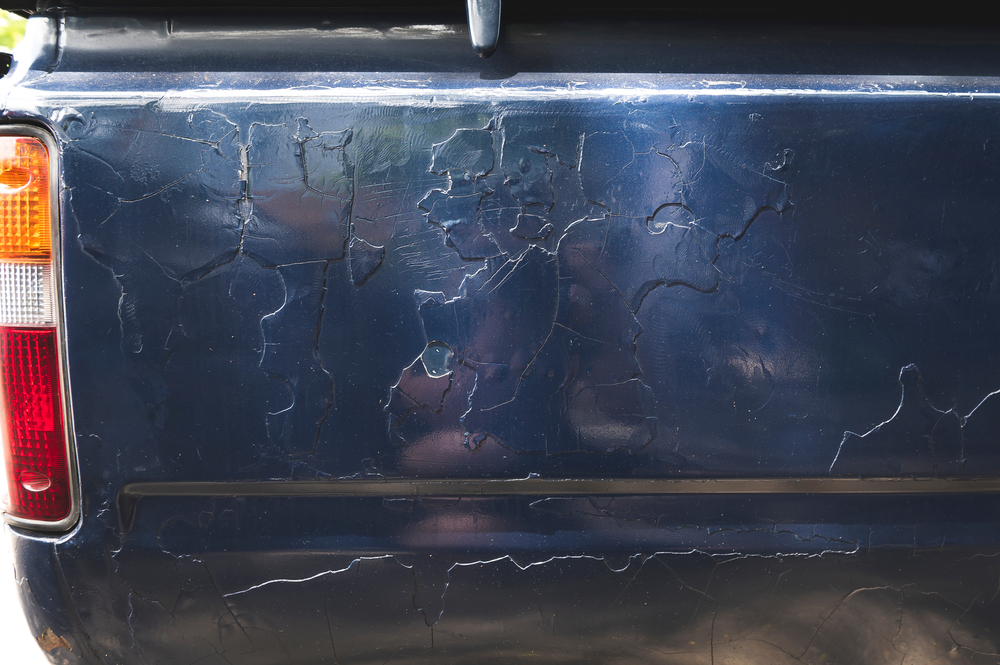
Your vehicle’s exterior also takes a beating from spring conditions. Paint and clear coat oxidation become a real risk as pollen, tree sap, and residual road grime bond to the paint surface, causing staining or etching if not washed away promptly. Tree sap is particularly aggressive because it hardens in sunlight and can chemically bond with the clear coat if left unaddressed for more than a few days. Pollen, while seemingly harmless, contains organic acids that can degrade paint over time. A thorough wash and a fresh coat of wax in spring creates a protective barrier between your paint and the seasonal onslaught of contaminants.
Wiper Blades and the Overlooked Details
After a winter of scraping ice and freezing temperatures, wiper blade deterioration is almost guaranteed. Ice damage from winter often leaves rubber brittle, leading to streaking during spring rain showers right when you need clear visibility the most. Cracked or hardened wiper rubber cannot conform to the curvature of the windshield, leaving arc-shaped streaks across your field of vision. Replacing wiper blades is one of the least expensive maintenance tasks you can perform, yet it has a direct impact on safety. Spring typically brings frequent rain in most regions, making this a particularly timely upgrade.
Beyond wipers, spring is also a good moment to check your headlights, taillights, and turn signals. Winter road spray, salt haze, and temperature extremes can cause bulb failures and oxidize headlight lenses, reducing illumination significantly.
Conclusion
Warmer weather is a welcome relief, but it comes with a checklist of vehicle concerns that deserve your attention. Tires, suspension, undercarriage, battery, fluids, air conditioning, paint, and wipers all bear the marks of winter and face new challenges as spring unfolds. Taking the time to address these issues early in the season protects your investment, keeps you safe, and prevents small problems from becoming expensive repairs. Think of a spring vehicle inspection less as an optional errand and more as a seasonal reset, one that ensures your car is as ready for the road ahead as you are.
Need a Towing & Auto Repair Shop in Worcester, MA?
Here at Early’s on Park Avenue Inc., we’re dedicated to getting you back on the road with reliable, fast, and friendly service. Whether you need 24-hour towing, expert auto repair, or are looking for quality vehicles for sale, we’re here to help! As a family-owned business, we take pride in treating our customers like family and delivering top-notch service every time. Don’t wait—give us a call today and let us handle all your automotive needs!