
Surviving Worcester Pothole Season: How Local Road Conditions Damage Your Car (and How to Fix It)
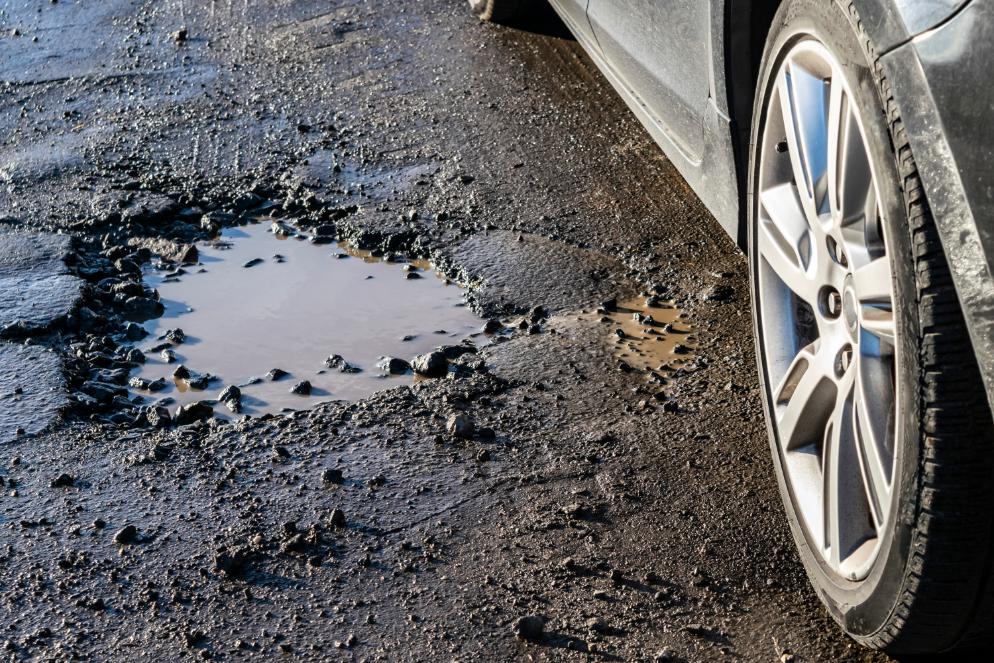
Winter and early spring in Central Massachusetts often leave drivers dealing with rough roads, unexpected craters, and frustrating vehicle damage. If you commute through busy corridors like Park Avenue, I-290, Route 9, or local neighborhood streets, you’ve probably experienced the jolt of hitting a pothole that seemed impossible to avoid.
Quick Answer
Potholes can damage your tires, wheels, suspension, steering, and alignment in a single impact. Worcester’s freeze-thaw cycles make potholes especially common after winter, increasing the risk of expensive repairs. Knowing what damage to look for and addressing problems early can help prevent additional wear and improve your vehicle’s safety.
What Local Readers Should Know
-
Freeze-thaw weather across Worcester County creates ideal conditions for potholes to form each winter and spring.
-
Even a single hard impact can knock your vehicle’s alignment out of specification or damage suspension components.
-
Busy roads, neighborhood streets, and construction zones throughout Worcester often develop rough pavement before permanent repairs are completed.
-
Strange steering, tire vibration, or uneven tire wear after hitting a pothole should never be ignored.
-
Prompt inspections can identify hidden damage before it leads to larger repair bills.
Why This Matters Locally
Potholes are more than an inconvenience for drivers in Worcester. The combination of freezing temperatures, snow, ice, road salt, and repeated thawing weakens pavement throughout the region. Areas such as Shrewsbury Street, Main South, Greendale, Tatnuck, and nearby communities like Auburn, Shrewsbury, Millbury, and Holden all experience seasonal road deterioration.
For commuters, delivery drivers, students traveling to local colleges, and families running daily errands, repeated impacts can slowly wear down a vehicle without immediately obvious symptoms.
At Early’s on Park Avenue Inc., we understand how local driving conditions affect vehicles because we see the results every season. We help drivers identify pothole-related damage before small issues become expensive repairs.
Local Data and Field Observations
Freeze-thaw cycles are widely recognized by transportation agencies, including the Massachusetts Department of Transportation, as one of the primary causes of pothole formation. Water enters small pavement cracks, freezes, expands, and weakens the roadway. As traffic passes over the damaged surface, sections of pavement break away and create potholes.
From a repair perspective, spring often brings an increase in vehicles with bent wheels, damaged tires, worn suspension components, and alignment problems after months of winter driving.
How Potholes Damage Your Vehicle
Potholes can damage multiple vehicle systems at once. The force created when your tire drops into a deep hole transfers directly through the wheel and suspension, potentially affecting several components simultaneously.
Common damage includes:
-
Bent or cracked wheels
-
Tire sidewall bulges or punctures
-
Misaligned steering
-
Worn or damaged shocks and struts
-
Damaged control arms or ball joints
-
Steering linkage wear
-
Premature tire wear
Some damage appears immediately, while other problems develop gradually over hundreds of miles.
Warning Signs After Hitting a Pothole
Your vehicle often gives warning signs after pothole damage occurs. Paying attention to these symptoms can help you schedule repairs before additional components wear out.
Watch for:
-
Steering wheel vibration
-
Vehicle pulling to one side
-
Uneven tire wear
-
Tire pressure loss
-
Clunking noises over bumps
-
Crooked steering wheel while driving straight
-
Reduced ride comfort
-
Visible wheel or tire damage
Even if the vehicle still feels drivable, these symptoms deserve professional inspection.
When to Call a Professional
Professional inspection is recommended whenever a significant pothole impact changes how your vehicle drives. Minor cosmetic wheel scuffs may not require immediate attention, but steering, suspension, and tire issues should always be evaluated.
Drivers can safely:
-
Check tire pressure
-
Look for visible tire bulges or cuts
-
Inspect wheels for obvious bends
-
Monitor for warning lights
Professional service is recommended if:
-
The steering feels different.
-
The vehicle pulls left or right.
-
Tire damage is visible.
-
Suspension noises develop.
-
Vibration continues at highway speeds.
-
You suspect alignment issues.
Common Local Causes
Several local conditions make pothole damage especially common around Worcester.
1. Freeze-Thaw Weather
Repeated freezing and thawing weakens pavement throughout Worcester County every winter.
2. Heavy Traffic
Major commuter routes experience constant vehicle loads that accelerate pavement deterioration.
3. Snow Removal Operations
Plowing, salt application, and winter weather contribute to pavement wear over time.
4. Aging Road Surfaces
Older streets may develop cracks that allow water infiltration before resurfacing projects occur.
5. Spring Moisture
Rain and melting snow continue weakening damaged pavement before long-term repairs are completed.
Prevention and Maintenance
Preventing pothole damage starts with defensive driving and regular vehicle maintenance.
Helpful tips include:
-
Leave extra following distance to spot potholes sooner.
-
Slow down safely when rough pavement is unavoidable.
-
Maintain proper tire pressure year-round.
-
Rotate tires according to manufacturer recommendations.
-
Schedule wheel alignment checks if steering feels different.
-
Have suspension components inspected during routine maintenance.
Avoid swerving suddenly to miss potholes, as this may increase the risk of collisions with nearby vehicles.
Expected Results
Prompt repairs can restore normal vehicle handling and prevent additional wear. Depending on the damage, repairs may include tire replacement, wheel repair, alignment service, suspension component replacement, or steering repairs.
Addressing problems early often helps prevent premature tire wear and protects other suspension components from additional stress.
Common Mistakes
Mistake: Ignoring a steering pull after hitting a pothole.
Consequence: Tires wear unevenly and suspension parts experience additional stress.
Better Approach: Schedule an alignment inspection as soon as symptoms appear.
Mistake: Continuing to drive on a tire with a sidewall bulge.
Consequence: The tire may fail unexpectedly.
Better Approach: Replace damaged tires promptly.
Mistake: Assuming no visible damage means everything is fine.
Consequence: Hidden suspension or alignment issues continue worsening.
Better Approach: Have the vehicle professionally inspected after severe impacts.
Common Local Scenario
A Worcester commuter hits a deep pothole during the morning drive after a late winter storm. Initially, everything seems normal, but within several days the steering wheel begins vibrating at highway speeds and one tire starts wearing faster than the others. An inspection reveals a bent wheel and alignment issue that likely resulted from the original impact. Addressing both problems restores proper handling and helps prevent additional tire replacement costs.
Related Service Solutions
Several automotive services help correct pothole-related damage.
Depending on inspection results, solutions may include:
-
Wheel alignments
-
Tire replacement
-
Suspension repair
-
Steering repair
-
Wheel balancing
-
Wheel repair or replacement
-
Complete vehicle inspections
Comparing Your Options
| Option | Benefits | Considerations |
|---|---|---|
| DIY Inspection | Identifies obvious problems | Hidden damage may be missed |
| Professional Inspection | Comprehensive diagnosis | Recommended after significant impacts |
| Delaying Repairs | Short-term convenience | May increase repair costs over time |
Service Areas
We proudly serve drivers throughout Worcester as well as nearby communities including Auburn, Shrewsbury, Holden, Millbury, Leicester, and surrounding areas of Worcester County. Local drivers rely on us to help keep their vehicles safe despite challenging seasonal road conditions.
Cost of Ignoring the Issue
Waiting too long can increase repair costs. Driving with poor alignment, damaged suspension components, or compromised tires may accelerate wear on other parts and reduce handling performance. Addressing issues early often helps avoid more extensive repairs later.
Frequently Asked Questions
How common is pothole damage in Worcester?
Pothole damage is especially common after winter because repeated freeze-thaw cycles weaken pavement throughout Worcester and surrounding communities. Drivers often notice increased road hazards during late winter and early spring.
Can a pothole knock my alignment out?
Yes. A significant pothole impact can change wheel alignment, causing uneven tire wear, steering pull, and reduced handling performance.
Should I replace a tire with a sidewall bulge?
Yes. A sidewall bulge usually indicates internal structural damage, and the tire should be professionally evaluated and replaced if necessary.
Why do potholes get worse every spring in Worcester County?
Freeze-thaw cycles allow water to expand beneath pavement, gradually breaking apart the road surface. Heavy traffic then enlarges the damaged areas.
Can suspension damage occur without obvious tire damage?
Yes. Suspension components can absorb impact forces even when the tire appears normal. Strange noises or steering changes may indicate hidden damage.
How soon should I have my vehicle inspected after hitting a pothole?
As soon as possible if you notice vibration, pulling, tire damage, steering changes, unusual noises, or warning lights. Early inspection helps identify problems before they become more expensive.
Will an alignment fix all pothole damage?
No. An alignment corrects wheel angles, but damaged suspension components, bent wheels, or damaged tires may also require repair or replacement.
Can repeated smaller potholes cause damage over time?
Yes. Numerous smaller impacts can gradually wear suspension components and contribute to alignment issues, especially on heavily traveled local roads.
Closing
Seasonal road conditions are part of driving in Worcester, but pothole damage doesn’t have to become a long-term problem. Recognizing the warning signs early and scheduling professional inspections when needed can help protect your vehicle, improve safety, and reduce unnecessary repair costs.
Protect Your Vehicle Before Small Problems Become Major Repairs
Whether you’ve recently hit a pothole or simply want peace of mind after another rough Massachusetts winter, we’re here to help.
Contact us today to schedule a professional vehicle inspection and keep your car driving safely on Worcester’s roads.