
What To Do When a DIY Auto-Repair Fails You!
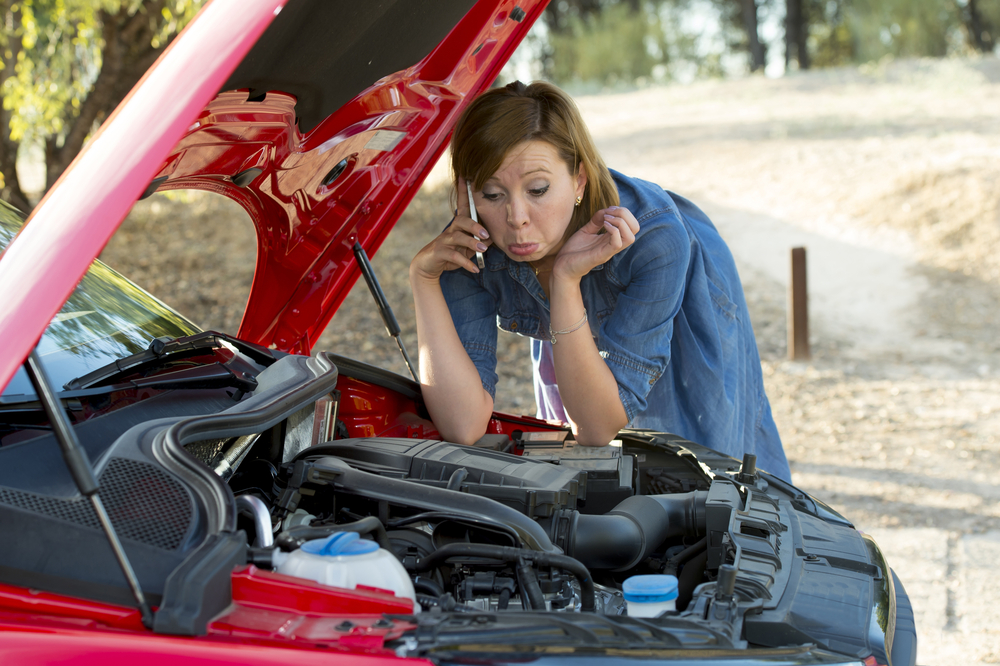
For many car enthusiasts and budget-conscious drivers, rolling up your sleeves and tackling vehicle repairs in your own garage can be empowering. It’s a rite of passage for those who appreciate the mechanical heartbeat of their car. But what happens when your DIY auto-repair doesn’t go according to plan? What if your trusted toolbox leads you into deeper mechanical trouble rather than a successful fix?
DIY auto-repairs, while cost-saving and educational, can sometimes result in complications that spiral beyond your control. Misdiagnosed problems, improperly installed parts, or even overlooked manufacturer requirements can render your vehicle not only inoperable but potentially unsafe. When that happens, it’s time to pause, recalibrate, and follow a structured response.
Below, we’ll walk you through a comprehensive guide on what to do when a DIY auto-repair fails you. From knowing when to halt DIY work immediately to seeking professional automotive diagnosis and securing emergency roadside assistance, this blog lays out every necessary step to get back on the road safely and smartly.
Halt DIY Work Immediately
The first and most crucial step when you realize your DIY repair has gone wrong is to stop. Halt DIY work immediately. It might be tempting to press on in hopes of salvaging the situation, but continuing to experiment could cause more harm than good.
If the car exhibits signs like unusual noises, smoke, error lights, or fluid leaks after your repair, it’s a clear sign something is off. Continuing to work without a clear understanding of the issue can escalate the damage. In the worst cases, it may even void manufacturer warranties or pose safety risks.
Taking a break also gives you time to clear your mind and approach the problem from a more rational and less emotionally charged perspective. Rather than guessing and potentially making things worse, give yourself space to evaluate your options and ensure your next steps are calculated and informed.
Document All DIY Steps
Once you’ve recognized that the repair has failed and have stopped working, the next step is to document all DIY steps you took during the repair process. This isn’t just useful for your records—it’s a crucial resource for the professional who may ultimately take over.
Write down or photograph every step you took, including parts replaced, fluids used, and specific tools involved. If you followed a guide or tutorial, include links or references. Did you disconnect the battery? Replace a sensor? Reinstall a brake caliper? All of this matters.
Accurate documentation helps the auto repair specialist search for the root cause without guessing, which saves time and money. It also protects you from misunderstandings. For example, if a mechanic incorrectly assumes you skipped a critical step, your notes can help clear things up and guide them in the right direction.
Identify Failure Symptoms
The next step in reclaiming control over the situation is to identify failure symptoms. What exactly is wrong with the car now? Is the engine failing to start, are warning lights flashing, or is there a strange knocking sound from the transmission?
Try to be as precise and detailed as possible when describing what’s happening. Include changes in how the vehicle handles, smells, or sounds. If it was running before and now won’t even crank, note that. If the issue seems intermittent—say the power steering works only occasionally—record the circumstances under which that occurs.
These symptoms are clues. They can help when you seek a professional automotive diagnosis and will support the certified technician in pinpointing what went wrong with your DIY approach. Your awareness and articulation could also prevent unnecessary diagnostic labor, which can be costly.
Evaluate Warranty Status
Before you seek help or make further repairs, evaluate warranty status on your vehicle and any parts you recently installed. If your vehicle is under a factory warranty or extended service contract, you’ll want to understand what’s covered and whether your DIY repair may have affected that coverage.
In some cases, the warranty might still be intact, especially if the work done didn’t violate terms related to tampering or unauthorized modifications. If you purchased new parts, they often come with warranties too, which may cover replacements or defects.
Understanding your warranty status will inform your next move. It could mean the difference between paying out of pocket or having your repairs covered, either fully or partially. If you’re unsure, contact your vehicle manufacturer or the store where you bought the parts to clarify the specifics.
Seek Tow to Certified Mechanic
Once you’ve documented your work, identified the symptoms, and checked on your warranty, it’s time to get your vehicle into professional hands. Don’t try to drive it if it’s unsafe or if it might worsen the damage. Instead, arrange a tow to certified mechanic who is qualified to handle your make and model.
Towing might feel like an admission of defeat, but it’s actually a smart safeguard. A certified professional will perform a comprehensive evaluation, often starting with a professional automotive diagnosis using advanced tools and systems that go far beyond the DIY toolkit.
Make sure to provide the mechanic with your documentation and symptom checklist when they receive your vehicle. The more context you offer, the more efficiently they can work. You may also want to ask for a preliminary diagnostic estimate so you have a sense of the scope and cost.
If you’re stranded on the road when the failure occurs, don’t hesitate to use emergency roadside assistance. Whether you have coverage through your insurance, vehicle warranty, or a third-party service like AAA, prompt help can prevent dangerous roadside situations and get your vehicle safely to a repair shop.
Conclusion
DIY auto repairs are a valuable way to learn about your vehicle, save money, and take control of maintenance. However, when things go wrong, it’s critical to recognize the limits of your knowledge and tools. Ignoring the signs or continuing to tinker can lead to costlier consequences and serious safety hazards.
The best course of action when a repair goes awry is to halt DIY work immediately and begin a methodical assessment of the situation. Document all DIY steps you’ve taken, identify failure symptoms in detail, and evaluate warranty status before reaching out for professional help. If your vehicle is inoperable, call for emergency roadside assistance and arrange a tow to certified mechanic for a thorough inspection.
Remember, a failed DIY repair is not the end of the road. With careful steps and the expertise of an auto repair specialist, you can turn a frustrating setback into a valuable lesson—and get your car safely back on the road. Taking responsibility, seeking professional automotive diagnosis, and partnering with the right experts will ensure your vehicle is restored with precision and care.
Need a Towing & Auto Repair Shop in Worcester, MA?
Here at Early’s on Park Avenue Inc., we’re dedicated to getting you back on the road with reliable, fast, and friendly service. Whether you need 24-hour towing, expert auto repair, or are looking for quality vehicles for sale, we’re here to help! As a family-owned business, we take pride in treating our customers like family and delivering top-notch service every time. Don’t wait—give us a call today and let us handle all your automotive needs!